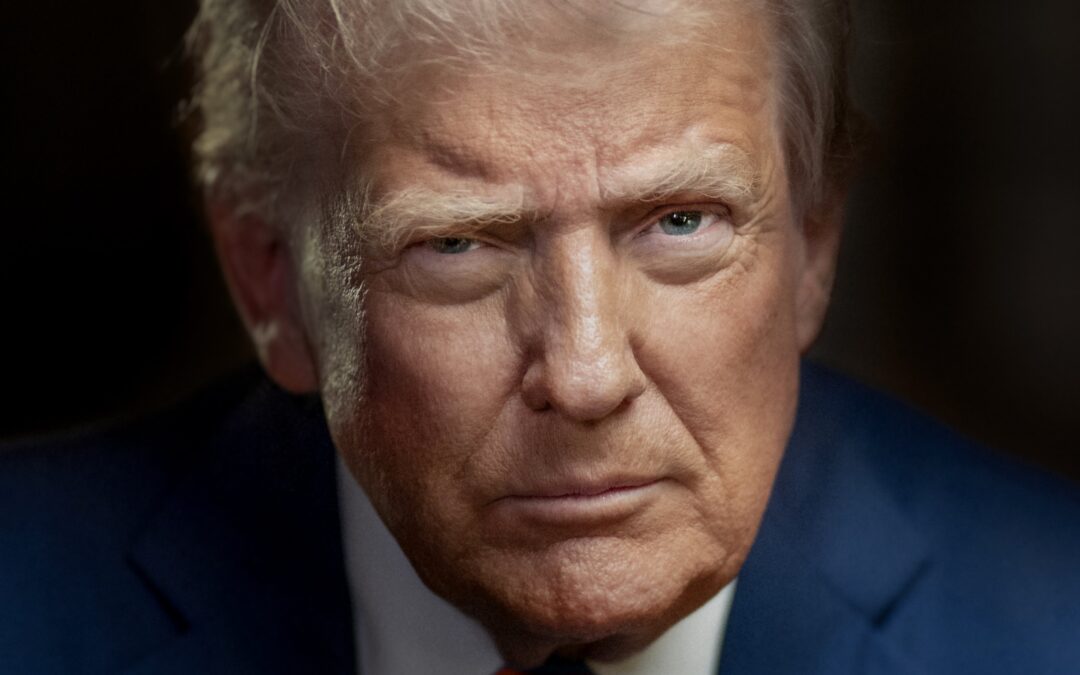
The United States has moved its B-1 bomber aircraft from a British airbase back to bases in the US, with President Donald Trump saying the decision followed concerns about a possible security threat.
Trump said the US had received indications that the aircraft could face a threat if they remained at RAF Fairford in England. He described the relocation as a precaution designed to reduce the potential risk.
According to Trump, US officials believed the suspected threat was connected to Iran. He also said authorities had identified the individuals believed to be behind the threat, although no further details were provided publicly.
Why were the bombers moved?
The B-1 bombers had been stationed at RAF Fairford and had recently been involved in US military operations against Iran.
The aircraft were redeployed to their home bases in the United States following a security investigation connected to an alleged terror plot involving the British airbase.
A Pentagon official said the bombers had been returned to their US bases. The move came after a security incident at RAF Fairford in September and the subsequent arrest of several people in connection with a suspected terror plot.
A dual British-Iranian national was among those arrested in London on suspicion of planning a terror attack. Six people were reportedly detained in connection with the wider investigation before being released.
The precise connection between the suspected plot and the decision to move the US aircraft has not been publicly established.
US officials offer different levels of detail
Vice President JD Vance described the relocation as a precautionary measure. He said the US was being particularly cautious because of concerns about possible Iranian activity.
Secretary of State Marco Rubio, however, said there was no direct connection established between the bomber relocation and the suspected Iranian plot.
Rubio said the Pentagon routinely reallocates military resources according to changing circumstances and operational requirements.
The differing explanations indicate that while US officials have acknowledged security concerns, the precise intelligence behind the decision has not been made public.
Iran rejects involvement
The issue has also drawn a response from Iranian officials.
Iranian Foreign Minister Abbas Araqchi rejected suggestions that Iran was responsible for the suspected activity and criticized the handling of the investigation.
His comments followed remarks from UK officials suggesting there were indications of Iranian involvement in the incident at RAF Fairford.
No publicly available evidence in the reported developments has established a direct Iranian role in the alleged plot.
A precautionary military move
The relocation of the B-1 bombers comes against a backdrop of heightened tensions between the United States, Iran and their respective allies.
For now, US officials have characterized the move primarily as a precaution. Trump has said the decision was prompted by a perceived threat, while other senior officials have stressed that the specific link between the threat and the suspected plot remains unclear.
The episode highlights how security assessments can quickly affect the deployment of strategic military assets, particularly when aircraft are operating from bases in countries considered important to US military operations in Europe.