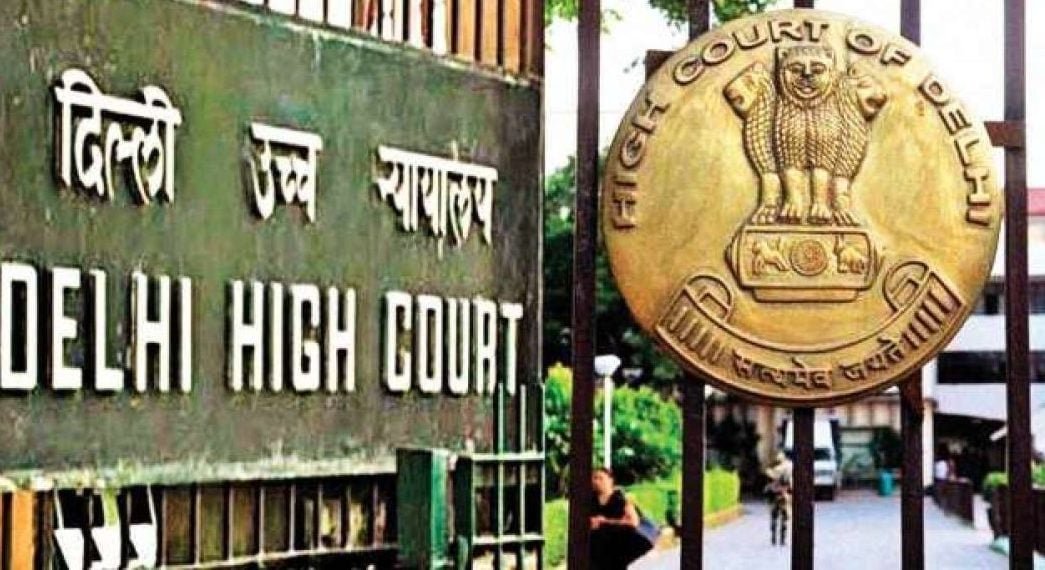
The Delhi High Court has ruled that merely performing a marriage according to Hindu rites and ceremonies does not, by itself, establish that a person is Hindu for the purpose of registering a marriage under the Hindu Marriage Act (HMA).
The court observed that a marriage can be valid under the HMA only when it is solemnised between two persons who fall within the Act’s scope and the marriage is performed in accordance with the essential rites and ceremonies prescribed under Hindu law.
Case involving Swedish couple
The ruling came in response to a petition filed by a Swedish woman who sought registration of her marriage under the HMA.
The woman had married a Swedish man in March and claimed that her husband had previously converted to Hinduism at an Arya Samaj temple and undergone the required Hindu rites and ceremonies. The temple subsequently issued a marriage certificate.
She attempted to register the marriage online under the HMA but faced difficulties because Delhi’s marriage registration guidelines require at least one spouse to be an Indian citizen and a permanent resident within the jurisdiction of the relevant marriage officer.
She challenged the citizenship requirement as well as the provisions of the Delhi (Compulsory Registration of Marriage) Order, 2014.
Court says independent evidence is required
A bench comprising Chief Justice DK Upadhyaya and Justice Tejas Karia said that, without independent material establishing conversion, the performance of Hindu marriage rites alone could not conclusively establish that the woman’s husband was Hindu within the meaning of Section 2 of the HMA.
The Delhi government had argued that the manner in which a marriage is solemnised cannot, without independent evidence of the parties’ religious status, be treated as conclusive proof that the HMA applies.
The petitioner, meanwhile, argued that neither the HMA nor the relevant guidelines prescribe a specific procedure for establishing Hindu identity or conversion and that demanding additional proof was therefore arbitrary.
Court directs changes to online registration system
While declining to entertain the petitioner’s constitutional challenge on the ground that she lacked the necessary locus, the court directed the Delhi government to modify its online marriage registration portal.
The court said the system should remove technological barriers and provide an effective mechanism for foreign nationals, Overseas Citizens of India (OCI) cardholders and Persons of Indian Origin to submit and complete marriage registration applications.
It specifically directed that applicants unable to use Aadhaar-based authentication, including foreign nationals and OCI cardholders, should be allowed to establish their identity through appropriate alternative documents, such as valid passports or OCI cards, subject to applicable legal and procedural requirements.
The ruling therefore distinguishes between the religious requirements for a marriage to fall under the HMA and the identity and procedural requirements for registering that marriage, while directing authorities to make the registration process accessible to eligible foreign applicants.