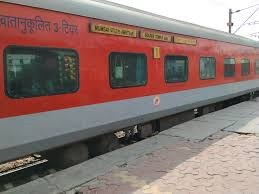
Indian Railways transitioned from the older ICF coach design to German-derived LHB coaches back in 2003, when the first batch was imported. Since then, the technology has been steadily localized, and the country now builds only LHB passenger coaches, aside from train sets.
However, senior railway engineers have recently flagged significant corrosion in LHB coach bogies, this despite the coaches being built with corrosion-resistant materials and despite tightened cleaning and maintenance protocols. The matter came up at a recent conference of principal chief mechanical engineers, where top technical officials directed the three coach-manufacturing units — Integral Coach Factory (Chennai), Rail Coach Factory (Kapurthala), and Modern Coach Factory (Rae Bareli) to investigate the problem and propose fixes. Railway Board minutes from the conference reportedly described the corrosion as a genuine cause for concern.
What’s driving the corrosion?
Officials have called for closer monitoring of both AC and non-AC LHB coaches, warning that bogie corrosion could pose a safety risk to passengers. Eastern Railway had already compiled a detailed report in March studying corrosion patterns across LHB coaches, breaking the issue down by coach age and by which specific components were affected. Based on that report, the Railway Board instructed all zones to scrutinize the problem and pay close attention during scheduled maintenance to the parts and sub-assemblies the report flagged.
Experts note that the move from ICF-built coaches to the German LHB design marked a significant leap forward for Indian Railways in terms of speed, safety, and durability. Even so, early-stage corrosion in certain LHB components has become a real concern — particularly in the underframe and around lavatory areas, which raises both structural and cost concerns.
Investigators found that the underframe’s proximity to toilet areas is a major contributing factor: water seeping through toilet flooring or leaking from faulty pipe joints can eventually reach the underframe and trigger corrosion there. The Eastern Railway report noted that while bio-toilets are built to treat waste, any accidental leakage or overflow — given the acidic, chloride-heavy nature of the effluent — can rapidly corrode the trough floor, sole bars, and headstock.
Other contributing factors identified include certain cleaning practices, surface damage or dents on coach steel, and vinyl advertisement wraps, which can let water seep in through tears, edges, or spots where the wrap hasn’t adhered properly.
Coaches running in coastal regions face an added challenge: exposure to salt-laden air. Experts explained that the high sodium chloride content acts as a strong electrolyte, speeding up the electrochemical corrosion process, and recommended a mix of design, maintenance, and operational safeguards in response.
Suggested measures include steering clear of harsh chemicals and untreated or high-salinity water during coach washing, along with thorough rinsing and drying afterward to prevent corrosive residue from lingering on metal surfaces. Engineers also recommended keeping drain holes, slots, and passages in the underframe and bogie sections free of blockages to stop water from pooling, as well as upgrading existing corrosion-protection systems.
The railway ministry has now directed all zones to review these critical safety areas and put the recommended precautionary steps into practice.