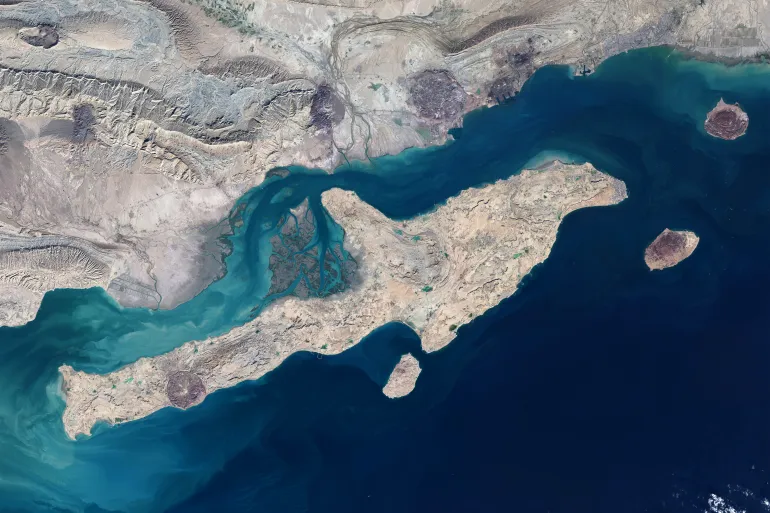
Oil and liquefied natural gas shipments navigating the Strait of Hormuz reached a six-month high over the past two weeks, demonstrating that U.S. naval escorts and mine-clearing operations are yielding results despite ongoing regional hostilities, according to U.S. Central Command.
“Clearly, momentum is building,” Admiral Brad Cooper, head of U.S. Central Command (CENTCOM), said in a video statement released Saturday. Cooper confirmed that primary transit channels through the strategic waterway have been cleared of naval mines and that regional Gulf allies have successfully exported more than 1 billion barrels of crude through the strait in recent months.
The announcement comes as Washington enforces an “ironclad blockade” against Tehran, which Cooper noted has resulted in Iran exporting “zero barrels” of oil. The U.S. military has supported over 2,000 commercial vessel transits in coordination with Gulf Cooperation Council partners, insurers, and maritime shippers to stabilize global energy flows.
Riyadh air raid alerts and escalating Houthi attacks
The operational milestone in the Persian Gulf unfolds against a backdrop of escalating regional violence. Early Saturday, Saudi Arabian authorities issued two air raid alerts for Riyadh – the first early-morning emergency warnings in the capital since the height of direct U.S.-Iran conflict in the spring.
The Saudi Directorate of Civil Defense confirmed the alerts were subsequently lifted. However, reports emerged of two loud explosions in the capital, followed by a visible plume of smoke near King Khalid International Airport that caused operational delays.
The security threats follow weeks of intensified drone and missile strikes by Yemen’s Iran-backed Houthis targeting Saudi infrastructure and towns, including an attack on Taif on Thursday that resulted in one death and several injuries.
A drone strike – which Riyadh attributes to pro-Tehran militias in Iraq—previously forced the shutdown of Saudi Arabia’s East-West pipeline, a primary alternative route bypassing the Strait of Hormuz.
Concurrently, the Houthis have asserted a blockade over Red Sea routes around the Bab el-Mandeb Strait, where transit has slowed significantly. Only five laden tankers carrying Saudi petroleum products exited the Red Sea through Bab el-Mandeb over the past week, according to Kpler data.
Economic pressure and political urgency
Managing energy security in the Strait of Hormuz – which handles roughly 10 million barrels per day of crude and refined products – remains a top priority for President Donald Trump’s administration ahead of the November U.S. midterm elections.
With Brent crude hovering near $104 a barrel – up from $88 three weeks prior – soaring pump prices have intensified domestic inflation concerns. U.S. Energy Secretary Chris Wright noted earlier that while energy markets remain “tighter than we’d like today,” continuous transit through the strait is keeping supply from deteriorating further.
Source: Investing.com