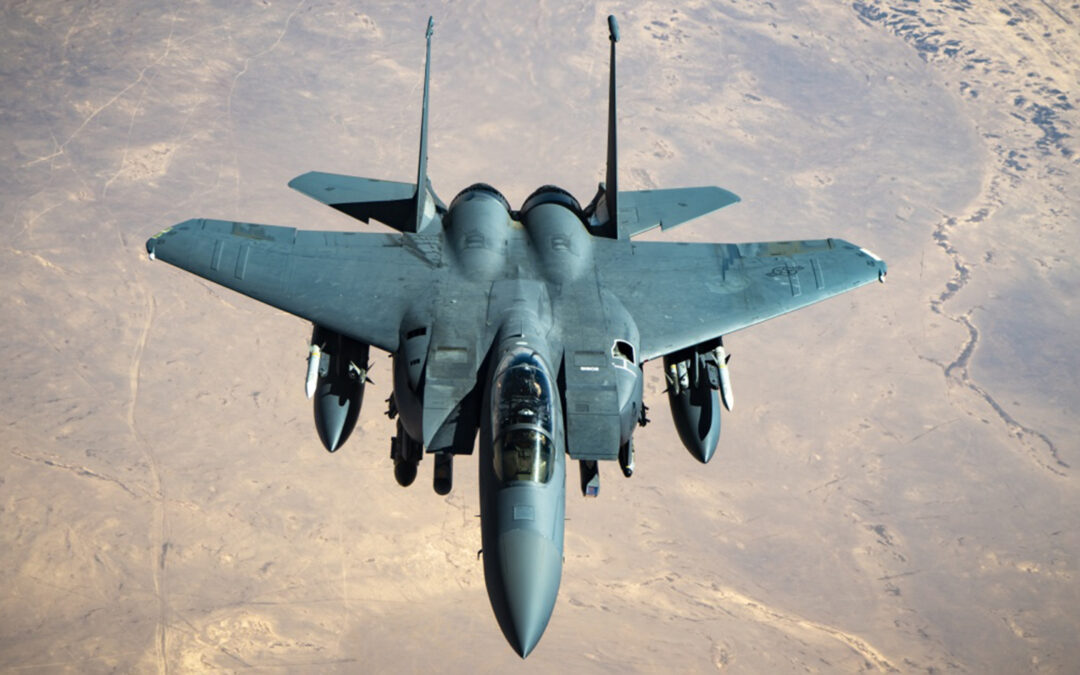
At least three people were killed and several more injured after Pakistan carried out an airstrike targeting Afghanistan’s northeastern Kunar province. The strike is believed to be retaliation for a suicide bombing at a police station in northwestern Pakistan, stoking fears that tensions between the two neighbors could once again erupt into open conflict.
Pakistan and Afghanistan experienced their most serious military clash in years back in February. This latest escalation comes just days after the Taliban warned it would defend Afghan territory against any Pakistani military action.
Taliban warns of “crushing response”
Ahead of the strikes, Taliban spokesperson Zabihullah Mujahid had cautioned Islamabad against conducting operations inside Afghanistan, saying Kabul would respond militarily if its territory came under attack. Mujahid dismissed Pakistan’s claims that Afghanistan-based militant groups recruit, train, and launch attacks against Pakistan, stating that Afghanistan has the right to defend itself and would do so if Pakistan invoked Article 51 to violate Afghan territorial sovereignty. He warned that any Pakistani military action inside Afghanistan would be seen as a breach of sovereignty and could provoke a strong response from Kabul.
His comments came in response to a Pakistani military spokesperson, who had mentioned that militant groups were using Afghan soil to recruit, train, and arm fighters before sending them across the border into Pakistan.
Kabul denies sheltering TTP
Mujahid rejected these allegations, saying the Taliban administration does not permit the Tehreek-e-Taliban Pakistan (TTP) to operate from Afghan territory, and denied that the government supports armed groups launching attacks against other nations. He argued instead that Pakistan should look inward at its own security challenges, noting that violence involving the TTP and Baloch armed groups predates the Taliban’s return to power in 2021.
Pakistan has repeatedly accused militant groups of using Afghan territory as a base and has urged Kabul to act against them — allegations the Taliban has consistently denied.
Afghanistan keeps door open for talks
Despite the warning of possible military retaliation, Mujahid indicated that Kabul remains open to dialogue with Islamabad. He called for improved intelligence-sharing and greater bilateral cooperation to address border security concerns, and voiced support for Saudi Arabia potentially playing a mediating role, citing Riyadh’s good relations with both countries as a possible avenue to help resolve their differences.
Relations between Kabul and Islamabad have remained tense over cross-border militant activity, and this latest airstrike, amid heightened security concerns, risks deepening that strain and could lead to further confrontation between the two neighbors.