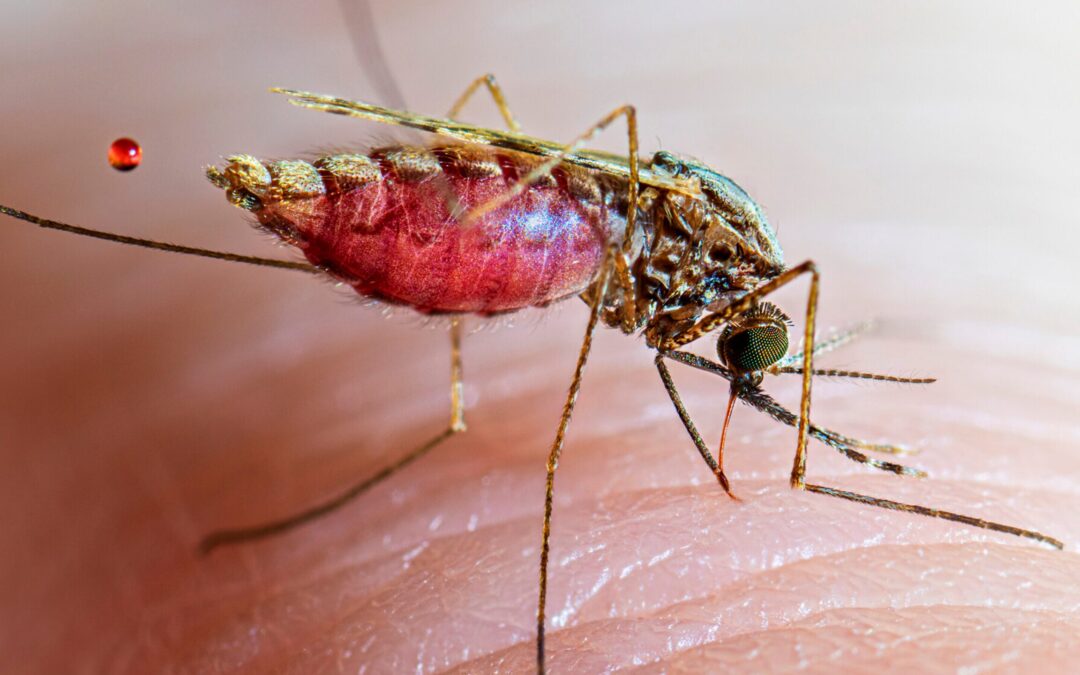
Cases of Plasmodium falciparum malaria, considered the more dangerous form of the disease, have surged by 535.2% in Mumbai over the past decade, rising from 375 cases in 2015 to 2,382 in 2025, according to data from the BMC health department.
The increase has also significantly changed the strain’s share of Mumbai’s overall malaria burden. P. falciparum accounted for 5.5% of all malaria cases in 2015, but its share rose to 25.3% by 2025.
BMC officials attributed the sharp rise partly to increased testing. However, the number of malaria tests conducted during the period increased by 32.3%, from 14,28,265 in 2015 to 18,89,012 in 2025.
Dr Mahendra Jagtap, state entomologist, said the shift became more noticeable after the Covid-19 pandemic and was largely linked to labour migration from eastern India and Chhattisgarh.
“Gadchiroli is another district where we have observed a similar trend and matching labour migration patterns. Mumbai also sees a year-on-year increase because of the high prevalence of Anopheles mosquitoes,” he said.
- falciparum can cause serious complications, including severe anaemia and organ failure, while P. vivax, the more commonly reported strain, is generally milder but can cause recurring relapses. Doctors, however, stressed that both forms can become serious if treatment is delayed.
Nitesh Dhide, 39, said his father initially appeared to have an ordinary fever when he began developing symptoms last week. The family initially expected the illness to subside with over-the-counter medication.
“He experienced dark urine too, but it was not flagged in time. By the time we admitted him to hospital, he had developed anaemia. There was also swelling in his liver,” Dhide said. His father was subsequently diagnosed with P. falciparum malaria.
Dr Hemalata Arora, an internal medicine specialist at Nanavati Hospital, said patients with P. falciparum malaria can deteriorate quickly because the illness is often mistaken for a routine viral fever.
“Haemoglobin drops dramatically, alongside kidney dysfunction. In the first two days, one cannot easily distinguish between different fevers. But high-grade fever along with dehydration, nausea and vomiting calls for an immediate doctor visit,” she said.
Dr Manjusha Agarwal, general physician at Gleneagles Hospital, said patients with P. falciparum often experience more severe headaches but generally respond well when treatment begins promptly.
“We have seen severe complications in P. vivax, too. If either strain is treated in time, there should not be much trouble,” she said.
With cases of the more dangerous strain rising, doctors stress that early testing and prompt treatment remain crucial to preventing serious complications