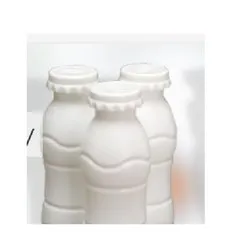
In 2021, more than 6,000 discarded milk bottles in Shanghai were given an unusual second life — as part of a road. Along with other plastic waste, the bottles were processed and incorporated into a polymer-modified asphalt surface at the East China University of Science and Technology (ECUST).
The project, unveiled on Earth Day, was developed by Dow and dairy brand Shiny Meadow as an innovative way to tackle the growing problem of plastic waste that is difficult to recycle. Instead of being sent to landfill or discarded, the used bottles were transformed into material for road construction, creating an alternative use for plastic that conventional recycling systems often struggle to handle.
Why the Milk Bottles Were Difficult to Recycle
According to Dow, the milk bottles were technically recyclable, but recycling companies were often reluctant to accept them because traces of leftover milk could result in significant contamination.
As a result, plastic that was theoretically recyclable could still be treated as waste because of the difficulties and costs involved in processing it.
Shiny Meadow said it had already been using recyclable packaging, but acknowledged the challenge of dealing with bottles that recyclers considered low-value plastic.
Lin Rong, the company’s director, said the road project provided a practical use for the discarded bottles and offered them what she described as a more “circular journey” after their original purpose had ended.
Turning Plastic Waste Into Road Material
Dow collected the hard-to-recycle plastic and processed it into post-consumer recycled material for use in polymer-modified asphalt. The recycled plastic was then incorporated into road paving at ECUST’s Xuhui Campus.
More than 6,000 used milk bottles, along with other plastic waste, were used in the project.
The initiative demonstrated how materials science could create alternative applications for plastic that traditional recycling systems find difficult to process. Dow said the project could also encourage other companies and brands to explore new ways of reducing plastic waste.
Could Plastic Roads Reduce Emissions?
The initiative was designed not merely as a way of disposing of plastic differently, but also as a potential means of reducing the environmental impact of road construction.
Dow said incorporating recycled plastic could reduce the amount of bitumen required and potentially improve the service life of roads. These factors could contribute to lower energy consumption and greenhouse-gas emissions.
For Shiny Meadow, the project was part of a broader push towards a circular economy, in which packaging remains useful beyond its initial purpose rather than following a conventional “take-make-use” model.
China Project Part of Wider Asian Initiative
The Shanghai road was part of Dow’s broader efforts to incorporate recycled plastic into road infrastructure across Asia.
The company said it began working on recycled-plastic road projects in Depok, Indonesia, in 2017. It later collaborated with partners on road projects in Pune and Bengaluru in India and began a partnership with Siam Cement Group in Thailand.
ECUST described the Shanghai project as a practical demonstration of how unconventional approaches could help tackle the plastic-waste problem.
Professor Li Tao, the university’s vice-president, said the institution hoped the initiative would inspire students to explore creative sustainability solutions and consider how such ideas could be applied on a larger scale.