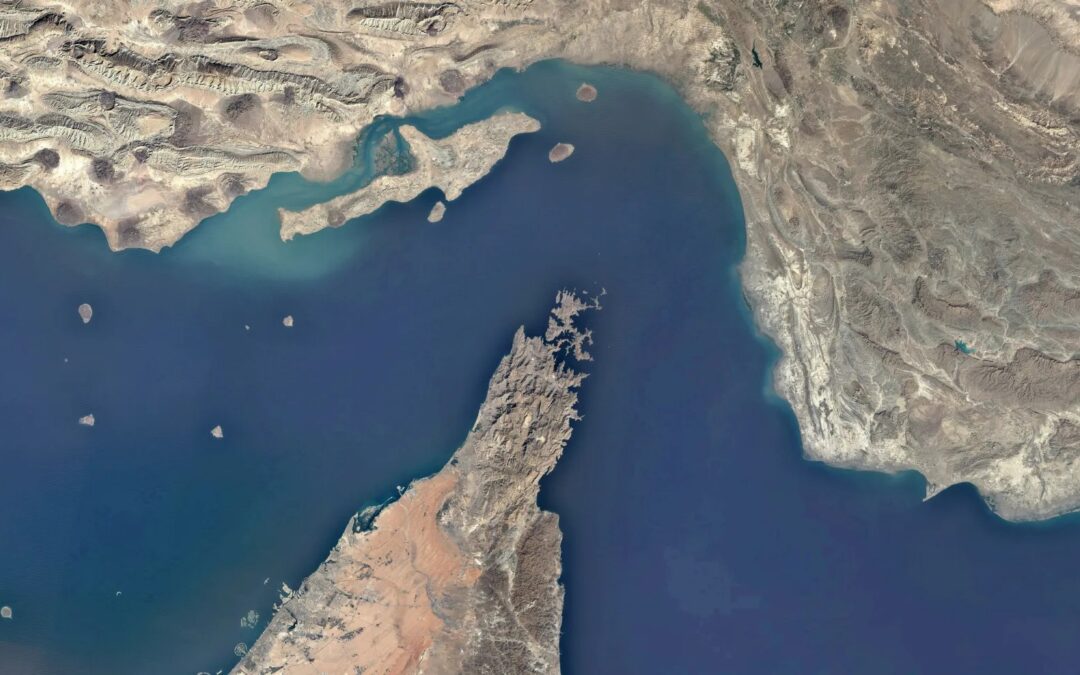
The US military escorted 40 commercial vessels carrying an estimated 18 million barrels of oil through the Strait of Hormuz on Tuesday, marking a wartime high as American and Iranian forces exchanged a fresh round of attacks, according to two US officials familiar with the operation.
The high-risk mission unfolded alongside US strikes on nearly 60 Iranian military targets around the strategic waterway. American forces also defended the escorted vessels against waves of drone attacks and intercepted anti-ship cruise missiles.
Before the conflict began more than six months ago, roughly 20 million barrels of oil passed through the Strait of Hormuz each day. Since the war erupted, however, shipping through the vital route has fallen sharply, disrupting global energy markets and driving prices higher.
US Steps Up Efforts to Secure Strait
The operation brought together American air, naval and space assets as Washington intensified efforts to control the waterway, protect commercial shipping and increase economic pressure on Tehran.
The US strikes targeted Iranian air-defence installations, radar systems, maritime assets, mine-laying capabilities and communications facilities, officials said.
US forces also continued a naval blockade of Iranian ports. US Central Command has been instructed to prioritise operations around the Strait of Hormuz and prevent Iranian oil exports from entering or leaving the country’s ports.
The stepped-up military activity comes amid mounting risks to commercial shipping in the region.
On Monday, a Saudi Arabia-flagged crude oil tanker was attacked and caught fire while preparing to transit the strait, killing two Filipino crew members. Fourteen other Filipino sailors survived the incident.
Iran Targets US Allies in Gulf
Iran has also intensified attacks against US allies in the Gulf.
Bahrain said its air-defence systems intercepted several Iranian aerial attacks early Wednesday. Iranian state media, meanwhile, reported drone attacks targeting US military bases in Bahrain and the United Arab Emirates.
The latest escalation followed US strikes on Iranian rocket launchers on an island in the Strait of Hormuz on Sunday. Washington said Iran was preparing to use the launchers to deploy mines in the waterway. Iran responded by firing missiles at US bases in Jordan, which were intercepted.
Energy Markets Remain on Edge
Despite the unprecedented US military escort, energy companies remain reluctant to send commercial vessels through the Strait of Hormuz because of the continuing security risks.
Energy prices remain elevated, adding to volatility in global markets and raising concerns about the potential impact of prolonged disruption to one of the world’s most important oil routes.
The intensifying battle over the strait has also forced the US administration to shift its immediate priorities. According to a US official, operations targeting elements of Iran’s nuclear programme have effectively been put on the “backburner” as Washington concentrates on securing the waterway and restricting Iranian oil flows.
Civilian Casualties Reported
Iranian media reported that a US strike hit a house hosting a wedding in Kuhestak, killing four people and injuring at least 68 others.
The US military said it was aware of the report but maintained that it “never targets civilians.”
Diplomatic Efforts Continue
As fighting intensifies, diplomatic efforts to end the conflict are continuing.
Egypt and Qatar have urged Washington and Tehran to return to negotiations, while Pakistan said it remains involved in mediation efforts.
US Treasury Secretary Scott Bessent also said Washington was putting pressure on countries that continue to conduct business with Iran, warning them to avoid dealings with Tehran.
“My message to everyone is stay away,” Bessent said.