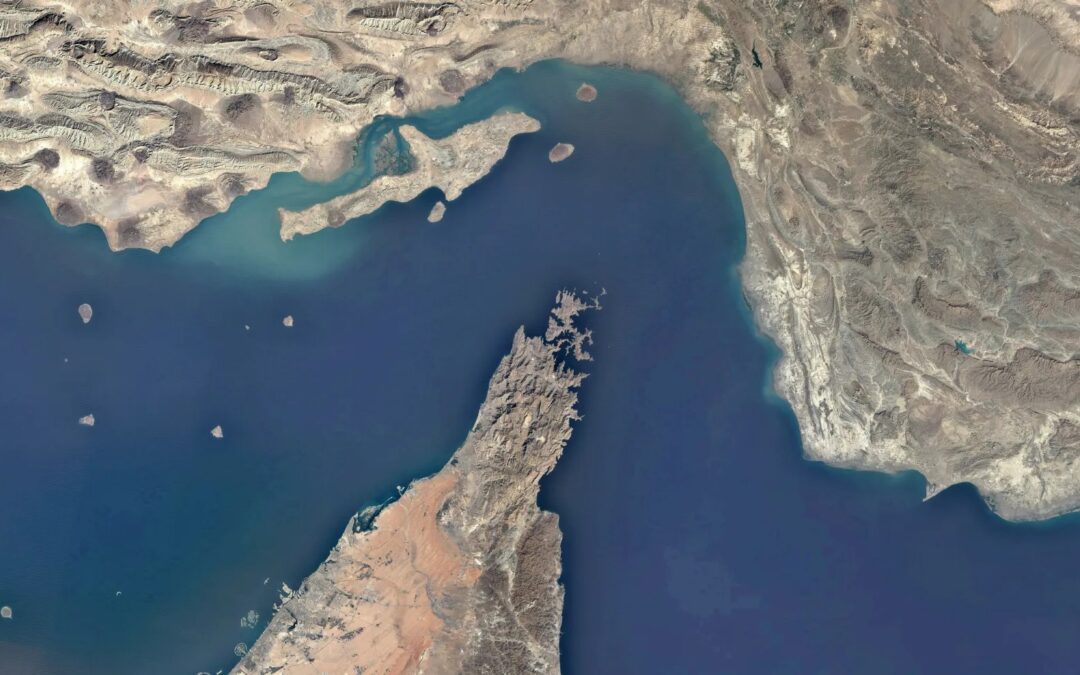
Shipping traffic through the Strait of Hormuz sits near historic lows, even as diplomatic efforts to halt hostilities in the Middle East make progress, media reports said on Wednesday.
According to preliminary Kpler data cited by Al Jazeera and CNBC, just five commercial tankers traversed the narrow waterway on Tuesday, compared to a 10-day average of 15.
Roughly a fifth of the world’s oil and liquefied natural gas flowed through the strait prior to the outbreak of the war between the U.S. and Iran in late February. Following the start of the conflict, Tehran moved to effectively shutter activity in the Strait of Hormuz, denting global supply flows and putting upward pressure on oil prices.
Still, Brent crude prices have retreated in recent days, sliding below the $90-a-barrel level.
Driving the fall was a report from Russia’s RIA Novosti outlet that the U.S. and Iran had agreed to a new ceasefire agreement which would be announced in the coming days. Investing.com could not immediately verify the report, which cited Iranian and Pakistani sources.
Meanwhile, a top Iranian official has said Iran and Oman have agreed on a new temporary route through the Strait of Hormuz after diplomats held talks in Tehran, Al Jazeera has reported. But the official stressed that the strait will not reopen completely until the U.S. follows its commitments made in a now-expired framework deal signed in June.
Separate reports also appeared to indicate that the U.S. does not expect a renewed full-scale conflict with Iran, Deutsche Bank analysts flagged.
The New York Times reported that the U.S. is preparing to send diplomats back to the Middle East, while Secretary of State Marco Rubio has reportedly told Washington allies that the White House does not want to restart strikes against Iran.
This comes after Treasury Secretary Scott Bessent vowed to hit Iran with new sanctions in a so-called “economic D-Day” designed to target Tehran’s “enablers.” A list of 60 individuals, entities and vessels were highlighted by Bessent. But the U.S. has so far chosen not to impose secondary sanctions on other countries, including China, the largest buyer of Iranian oil.
Source: Investing.com