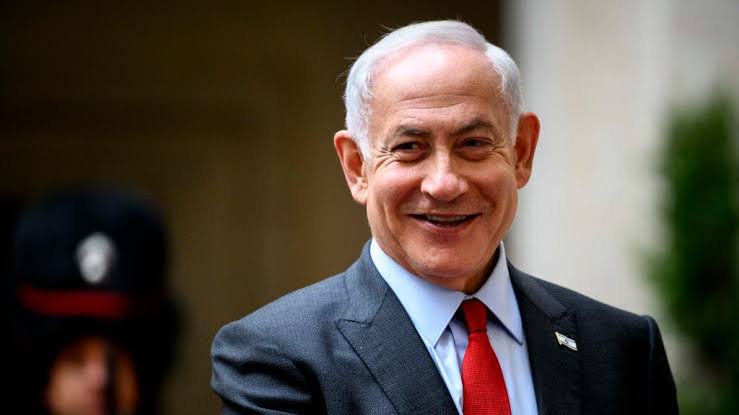
With elections scheduled for October 27, Israelis are increasingly divided over Prime Minister Benjamin Netanyahu’s leadership and his approach to the wars and military confrontations involving Gaza, Lebanon and Iran.
At the heart of the political debate is a striking sentiment emerging among some Israelis: “Iran can’t be defeated.” The blunt assessment reflects growing questions over whether military action can permanently neutralise Tehran’s capabilities, despite repeated efforts to weaken Iran and contain its regional influence.
Netanyahu’s supporters strongly reject the idea that Israel can afford to ease pressure on Iran. They argue that Tehran remains one of the country’s most serious security threats and that confronting it requires a leader with Netanyahu’s experience, particularly at a time when Israel faces threats on multiple fronts.
His critics, however, contend that the government’s aggressive military policies have failed to produce a decisive resolution to the region’s conflicts. Some accuse Netanyahu of repeatedly escalating confrontations and prolonging military campaigns while using Israel’s security concerns to strengthen his political position.
While supporters see military pressure as necessary to deter Tehran, critics question whether Iran’s military infrastructure, strategic depth and regional networks can realistically be eliminated through force alone.
The same political fault lines are visible in debates over Gaza and Lebanon. Netanyahu’s backers maintain that continued military operations are essential to protect Israel and prevent further attacks. Opponents argue that years of conflict have come with enormous costs while leaving unanswered questions about how and when the fighting can ultimately end.
For Netanyahu, the stakes are enormous. For his opponents, the election represents an opportunity to challenge a leadership style they say has pushed Israel deeper into a cycle of confrontation. And for voters, the central question is becoming increasingly stark: Can Israel achieve lasting security through continued military pressure, or is it time to acknowledge that some adversaries—particularly Iran—cannot simply be defeated on the battlefield?