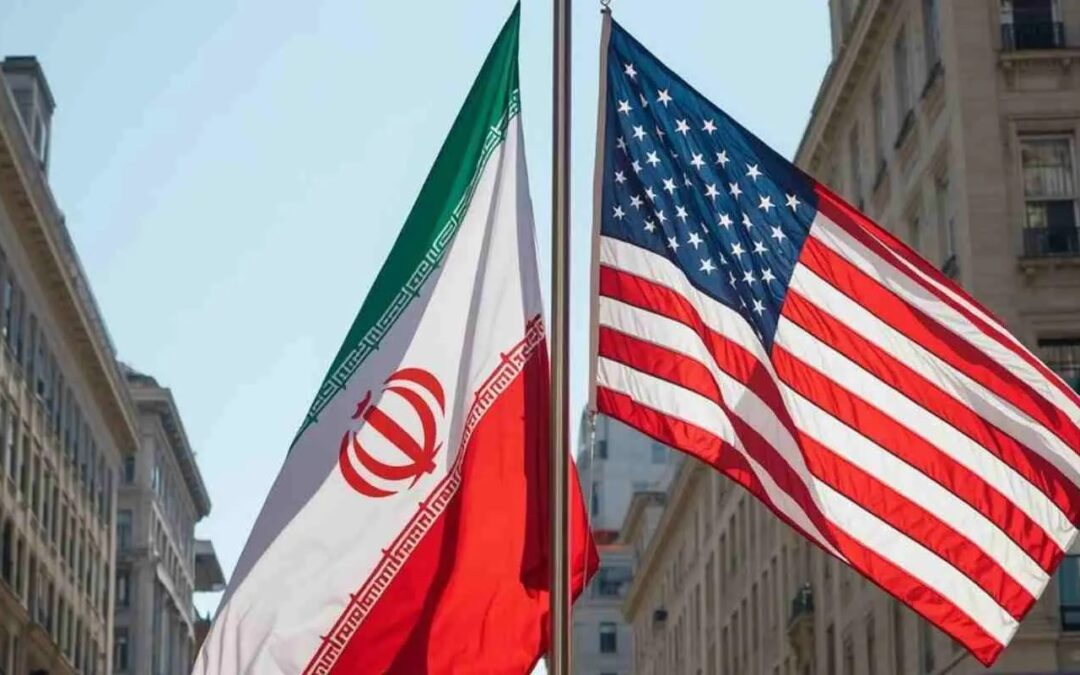
WASHINGTON: The United States is preparing what Treasury Secretary Scott Bessent has described as the “greatest financial offensive ever marshalled” against Iran, with new sanctions expected to target countries and businesses that continue trading with Tehran.
“President Trump has dismantled Iran’s military capabilities, destroyed nearly 100 percent of its military factories, and buried its nuclear program. We are now entering the endgame. At dawn begins an economic D-Day — the single greatest financial offensive ever marshaled against an adversary,” Bessent said in a post on X.
Bessent warned that Washington would use its economic and regulatory powers to cut off the financial channels supporting Iran’s government.
“The President has created the conditions to leverage every agency, every authority and action many assumed we would never summon. Our objective is to sever every economic lifeline that sustains the tyrannical regime until Tehran stands alone,” he said.
Bessent is scheduled to hold a press conference at 2pm EDT (1800 GMT) on Monday, when he is expected to provide details of the new measures.
In an opinion article published in the Financial Times on Sunday, Bessent said the US would also target countries that continue to engage with Iran’s economy and financial system despite Washington’s pressure. He warned countries pursuing what he described as “appeasement” of Tehran to consider the consequences of maintaining economic ties with Iran.
Iran threatens Gulf oil exports
Tehran has responded by warning that continued US economic pressure could trigger a wider confrontation in the Gulf.
Mohsen Rezaei, secretary of Iran’s Supreme National Security Council, said on Sunday that Iran could halt oil exports through the Strait of Hormuz and elsewhere in the Persian Gulf if the sanctions campaign continued. He also warned that countries supporting the US economic offensive could be considered participants in an “act of war”.
The threat has significant implications for global energy markets. Iran retains missile and drone capabilities capable of threatening Gulf states and commercial shipping, while disruption in the Strait of Hormuz has already brought tanker traffic through the strategic waterway close to a standstill and pushed global fuel prices higher.
Bessent has also urged China to cooperate with Washington, citing Beijing’s dependence on Gulf oil for roughly half of its imports.
China has rejected the US pressure campaign. A spokesperson for the Chinese embassy in Washington said sanctions and economic pressure would not resolve the dispute and called for diplomacy.
Iran’s economy under pressure
The new measures would target an Iranian economy already weakened by years of sanctions, high inflation, a depreciating currency, energy shortages and structural economic problems.
The latest escalation comes as efforts to revive US-Iran negotiations remain limited. The last direct talks between the two countries were held in Switzerland in June, while Qatar, Pakistan and Turkey have since attempted to mediate.
Pakistan said its army chief, Asim Munir, would travel to Tehran on Monday as part of efforts to promote regional peace and security. A Pakistani government source said the possibility of fresh US sanctions against Iran would be among the issues discussed.
The diplomatic efforts are unfolding amid continued uncertainty over Iran’s nuclear programme, which Washington and Israel have sought to dismantle.