NEW DELHI: India’s installed non-fossil power generation capacity has crossed the 300GW mark, putting the country more than 60% of the way towards its target of achieving 500GW of non-fossil capacity by 2030.
According to data released by the Ministry of New and Renewable Energy, India’s total non-fossil capacity stood at 300.5GW as of July 31, accounting for more than 54% of the country’s total installed power generation capacity of around 552GW.
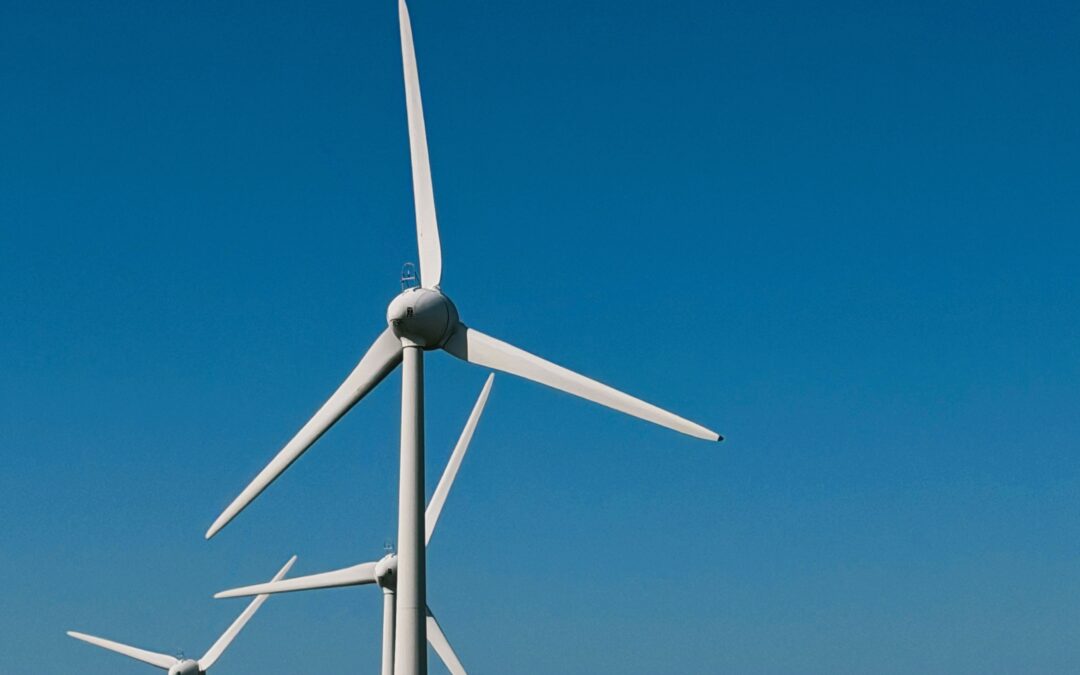
Solar power accounts for the largest share at 164.6GW, followed by wind at 58.1GW and large and small hydro projects at 57.2GW. Bio-power contributes around 11.8GW, while nuclear power accounts for 8.8GW.
The ministry said India added a record 55.3GW of non-fossil capacity in 2025-26, including 44.6GW of solar and 6GW of wind capacity.
Solar capacity has surged from just 2.8GW in 2014 to nearly 165GW, while wind power capacity has more than doubled from 21GW to over 58GW during the same period.
The rapid expansion of renewable energy has also boosted clean electricity generation. Generation from clean energy sources rose from around 191 billion units in 2014-15 to 477.8 billion units in 2025-26.
The ministry also highlighted the growth of domestic manufacturing of renewable energy equipment. The approved list of solar Photovoltaic (PV) module models and manufacturers has crossed 200GW, compared with just 2.3GW in 2014, supported by the government’s production-linked incentive scheme for high-efficiency solar modules.
The government is also implementing the National Green Hydrogen Mission to develop production and utilisation capacity for green hydrogen and its derivatives. The initiative aims to reduce emissions from hard-to-abate sectors while lowering India’s dependence on imported fossil fuels.