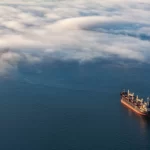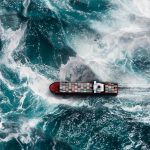
US Central Command (CENTCOM) said its forces have redirected 55 commercial vessels, disabled two and boarded two others while enforcing Washington’s naval blockade against Iran. More than 20 US warships remain deployed across the Middle East to support the operation.
In a post on X, CENTCOM said US sailors were standing watch on the bridge of the USS Ross (DDG 71), one of more than 20 US warships deployed to the Middle East to support military missions, including enforcement of the US blockade against Iran.
“As of Aug. 9, CENTCOM has redirected 55 commercial vessels, disabled 2, and boarded 2 to ensure compliance,” the command said.
The figures represent an increase from an earlier update, when CENTCOM reported that 53 commercial vessels had been redirected, while two had been disabled and two boarded. The US military has also allowed vessels carrying humanitarian aid to pass through the blockade.
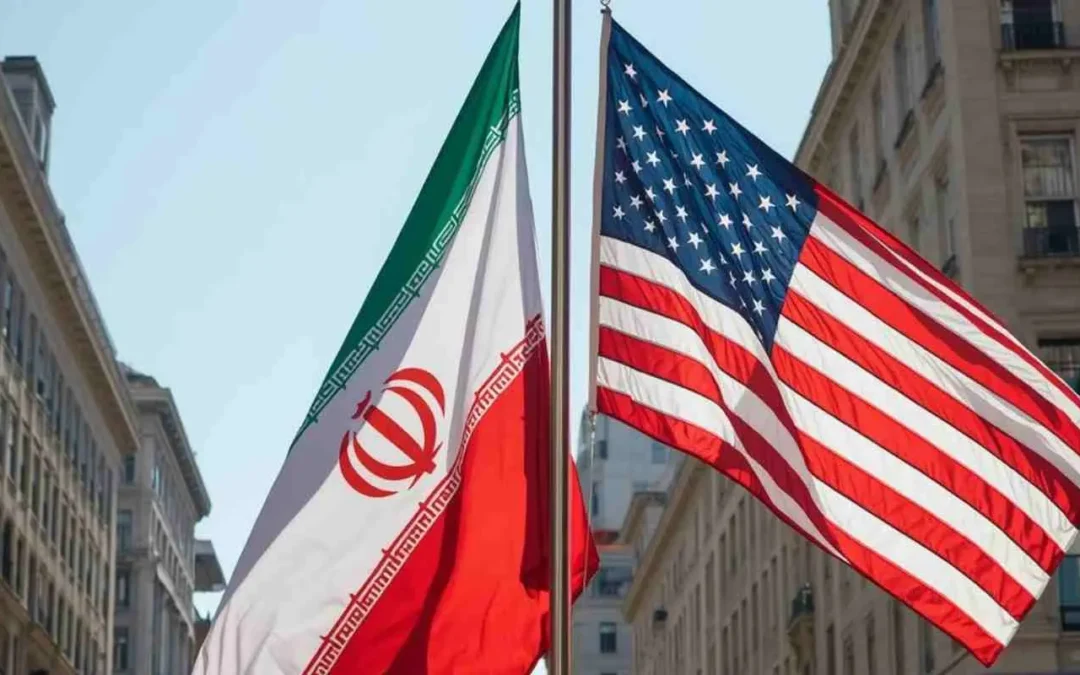
US President Donald Trump has signalled that the administration may be seeking an exit from the military confrontation with Iran as efforts to resolve the conflict become increasingly difficult. The administration may be willing to set aside the nuclear issue and declare victory if Tehran fully reopens the Strait of Hormuz.
In another post, CENTCOM said US sailors were conducting maintenance on F/A-18E Super Hornets aboard the aircraft carrier USS Abraham Lincoln (CVN 72) to ensure carrier strike group assets remain mission-ready to enforce the US blockade against Iran.
The command said that, as of Aug. 8, its forces had redirected 53 commercial vessels, disabled two and boarded two. The US military had also permitted more than 30 ships to pass through the blockade to deliver humanitarian aid.
The maritime measures come amid heightened tensions around the Strait of Hormuz, a critical route for global oil shipments, as Washington continues to pressure Tehran.
Trump has also indicated that the administration is favouring economic pressure over a fresh military offensive against Iran.
“We are low keying it,” Trump said, while describing the US approach to Iran as “semi-negotiating”.
He said the US was monitoring Iran’s economic situation, citing its high inflation and financial difficulties.
The comments came as the US military continued its maritime enforcement operation. A US-Iran-Oman agreement that would give Tehran partial control over traffic through the Strait of Hormuz remains pending.
US Vice President JD Vance has said Washington is working to establish a route that would allow commercial vessels to safely transit the Strait of Hormuz while maintaining pressure on Iran.