The US Senate on Tuesday overwhelmingly advanced a bipartisan bill that would grant President Donald Trump broad authority to impose tougher sanctions on Russia and penalise countries that continue purchasing large volumes of its energy exports, including India and China.
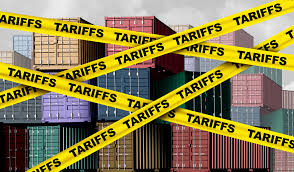
The legislation would empower the president to impose a 500 per cent tariff on Russian goods imported into the United States, along with an additional 100 per cent tariff on the world’s five largest buyers of Russian crude oil and natural gas. The measure would also target the top five countries found to be helping Moscow circumvent existing energy sanctions. India and China are among Russia’s largest energy customers.
The Senate voted 86-12 to clear the bill’s first procedural hurdle. The bipartisan measure, originally championed by the late Republican Senator Lindsey Graham, is expected to be considered for final passage later this week. However, it is unlikely to become law before September, as the House of Representatives has already begun its August recess.
In addition to Russia-related measures, the bill extends the Iran Sanctions Act of 1996 through 2031, preserving US authority to impose secondary sanctions on non-US companies conducting business with Iran. It also expands sanctions targeting Russia’s oil and gas exports while allowing the president to waive certain penalties if doing so is deemed to be in the US national interest.
President Donald Trump has indicated his support for the legislation. Earlier on Tuesday, he met Ukrainian President Volodymyr Zelenskyy at the White House before Zelenskyy travelled to Capitol Hill to urge lawmakers to maintain economic pressure on Moscow.
“Sanctions pressure on Russia is very important,” Zelenskyy said. “It’s not only about your money. It’s also a big signal to Europe, a big signal to Ukraine.”
Senate Democratic leader Chuck Schumer said the bill would send a strong message to Russian President Vladimir Putin, while some Democratic lawmakers cautioned that it would also significantly expand the president’s authority to impose tariffs.
If enacted, the legislation would represent one of the strongest US efforts to reduce Russia’s energy revenues since the Ukraine conflict began. It could also have significant implications for India, which has substantially increased imports of discounted Russian crude oil in recent years.