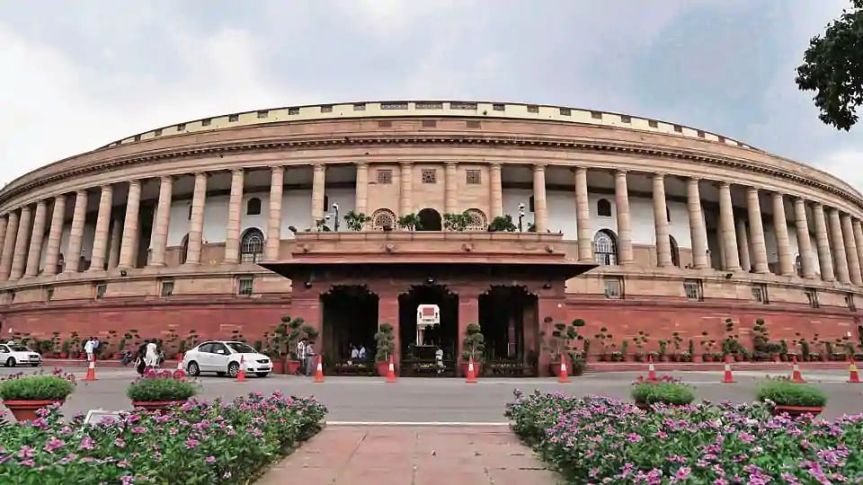
NEW DELHI: A protest march towards Parliament demanding the resignation of Union Education Minister Dharmendra Pradhan turned violent on Monday as demonstrators clashed with police, leading to injuries on both sides, detentions and traffic disruptions across central Delhi.
According to Delhi Police, 118 police personnel and 60 protesters were injured during the clashes, while 70 people were detained. An FIR is being registered on charges including rioting, assault on public servants and damage to public property.
The protest group accused the police of using excessive force, alleging that demonstrators were met with baton charges and tear gas as they attempted to march towards Parliament. Police, however, said protesters turned violent after breaching barricades and attacking security personnel.
Thousands of demonstrators had gathered at Jantar Mantar overnight, with crowds swelling on nearby roads by late morning. The confrontation disrupted traffic across large parts of central Delhi.
Later in the day, representatives of the protest group met Union Minister and BJP president J.P. Nadda to submit their demands. Following the meeting, organisers asked protesters to return to Jantar Mantar, where the main protest stage had been dismantled earlier.
The protest group has been staging demonstrations at Jantar Mantar since last month, demanding Dharmendra Pradhan’s resignation over alleged irregularities and paper leaks in competitive examinations. The campaign has received support from several opposition parties.
Meanwhile, the Bharatiya Janata Party alleged that Left-affiliated student organisations, including the All India Students’ Association (AISA) and the Students’ Federation of India (SFI), along with other organised groups, played a role in instigating the violence.
In a statement, BJP IT department head Amit Malviya alleged that the “stone-pelting and orchestrated violence” carried out in the name of students raised serious questions about those organising and backing the protest.
He also claimed that several prominent faces associated with the agitation were absent during the march, leaving those mobilised for the protest to face legal consequences.
“The real conspirators are often those who plan, encourage and coordinate such violence while carefully keeping themselves out of harm’s way. They move on to the next agitation, leaving those they mobilised to bear the legal consequences,” Malviya said.
Rejecting allegations surrounding examination irregularities, Malviya said public debate should be guided by verified information rather than fabricated claims. “Facts matter. Narratives built on fabricated documents do not,” he said.