Global oil markets are once again facing heightened volatility, with crude oil prices climbing after US President Donald Trump declared that the ceasefire agreement with Iran was “over” and fresh US military strikes targeted Iranian positions, raising concerns over potential disruptions to global crude supplies.
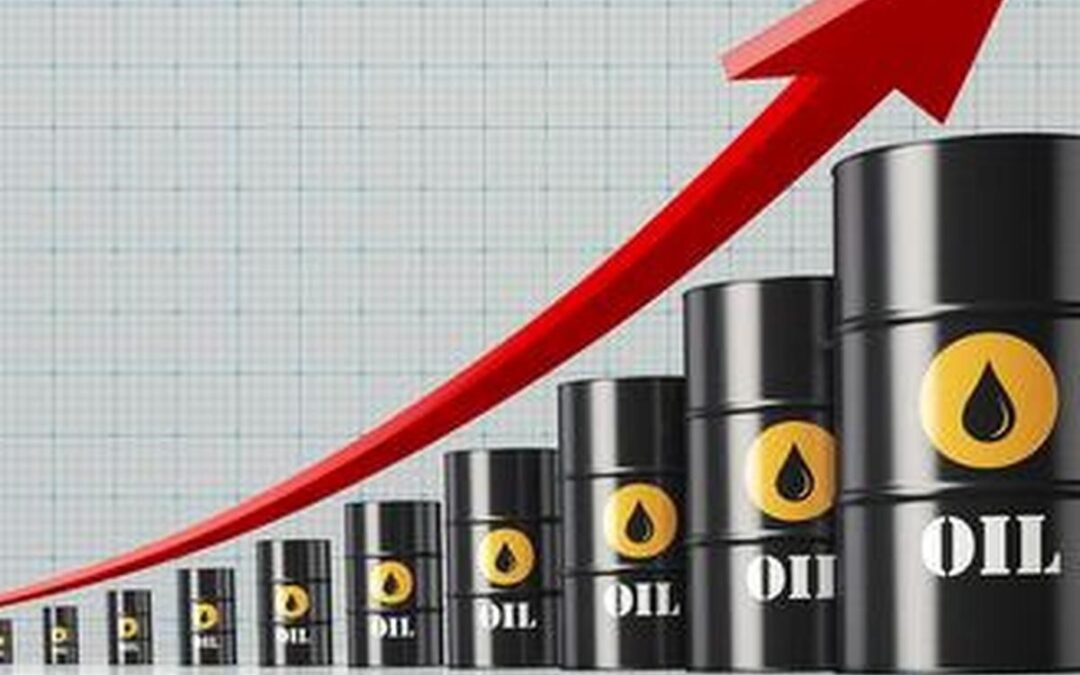
Brent crude rose 1.31% to $79.04 a barrel, while US West Texas Intermediate (WTI) crude gained 1.28% to $74.46, extending an earlier rally of more than 5%.
The price surge followed Trump’s warning that the United States could launch additional strikes against Iran. While declaring the interim agreement to end the conflict with Iran “over,” Trump said he did not expect the situation to escalate into a full-scale war.
Maritime authorities also raised the threat level for vessels transiting the Strait of Hormuz to “severe” after attacks on two oil tankers.
The rise in oil prices has renewed concerns about inflation, as any disruption to crude supplies from the Persian Gulf could increase global energy costs. Higher inflation could, in turn, prompt the US Federal Reserve and other central banks to raise interest rates, potentially slowing economic growth and weighing on financial markets.
Speaking at the NATO Summit in Ankara, Trump said he no longer considered the ceasefire with Iran to be in effect.
“I think it’s over. I don’t want to deal with them any more; they’re scum,” Trump said.
He added, “They’re scum, they’re sick people, they’re led by sick people, and they’re vicious, violent people. And if they had a nuclear weapon, they’d use it.”
Despite declaring the truce over, Trump said US negotiators could continue discussions with Iranian officials, although he expressed little confidence in the talks.
The interim agreement had provided a framework for discussions on unresolved issues, including Iran’s nuclear programme, the future administration of the Strait of Hormuz and access to billions of dollars in frozen Iranian funds.
The United States Central Command (CENTCOM) later announced fresh strikes against Iranian targets aimed at ensuring freedom of navigation through the Strait of Hormuz. Iranian media reported explosions in Bandar Abbas, Abu Musa, Bushehr and several other locations.
The renewed military action followed escalating tensions after Iranian attacks on commercial vessels in the Strait of Hormuz. The United States subsequently revoked sanctions relief for Iranian oil sales that had been granted under the interim agreement. Iran later said it had struck US military sites in Bahrain and Kuwait, triggering retaliatory US strikes.
Before the conflict, around one-fifth of global oil supplies passed through the Strait of Hormuz. Concerns that continued hostilities could disrupt shipments through the strategic waterway have kept crude prices under upward pressure, with prices previously rising above $125 per barrel.