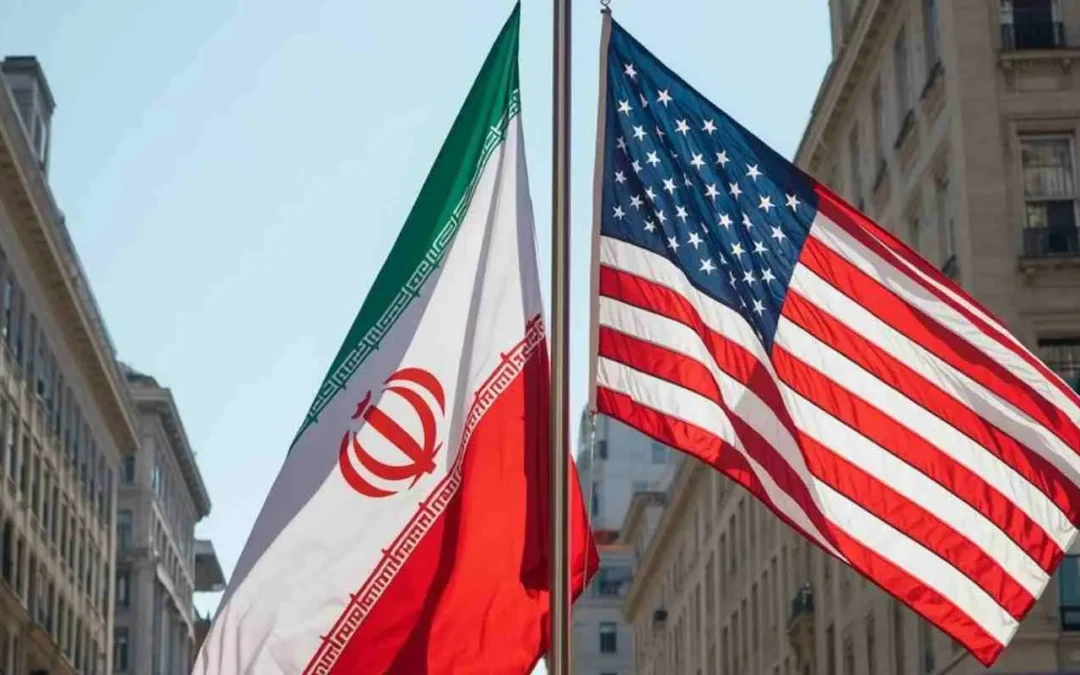
The United States and Iran have signed an initial peace agreement aimed at ending months of conflict and easing tensions that have disrupted global energy markets. Signed by US President Donald Trump and Iranian President Masoud Pezeshkian, the memorandum of understanding takes immediate effect and lays out a framework for negotiating a final settlement within 60 days, with the possibility of an extension if both sides agree. The deal includes the reopening of the Strait of Hormuz, a crucial maritime route through which nearly one-fifth of the world’s oil and liquefied natural gas supplies pass, as well as a proposed $300 billion reconstruction initiative for Iran and the lifting of all US sanctions on the country.
One of the most significant aspects of the agreement concerns Iran’s nuclear programme, which was cited by the United States as the primary reason for the conflict. Under the memorandum, Iran has reaffirmed that it will not develop or acquire nuclear weapons. The agreement also provides for Iran’s enriched uranium stockpiles to be diluted under the supervision of the International Atomic Energy Agency (IAEA). However, negotiations over the broader nuclear issue are still ongoing and remain the most sensitive component of the peace process. President Trump defended the deal, arguing that it would prevent a severe economic crisis and stabilize global markets, while also warning that military action could resume if a final agreement is not reached.
The reopening of the Strait of Hormuz is expected to provide immediate relief to global energy markets. Oil prices fell after news of the agreement emerged, reflecting investor optimism that disruptions to oil shipments could be avoided. The memorandum states that ships will be allowed to pass through the waterway without additional charges for 60 days. However, Iranian officials have indicated that the situation may not return entirely to pre-war conditions, suggesting that fees could be imposed on shipping traffic after the temporary arrangement expires.
Despite the breakthrough, skepticism remains on both sides. Iranian parliamentary speaker Mohammad Bagher Ghalibaf expressed distrust toward the United States and warned that Iran remained prepared to respond forcefully if necessary. In the United States, the agreement has drawn criticism from both Republicans and Democrats. Some Republican lawmakers questioned the proposed reconstruction fund and argued that easing restrictions on Iran could strengthen a government they view as hostile. Trump, however, rejected claims that the United States would directly provide money to Iran, stating that the reconstruction effort would likely involve international investment and that any return of frozen Iranian assets would simply involve releasing funds that already belong to Tehran.
The agreement also calls for the immediate cessation of military operations across all fronts, including Lebanon. However, concerns remain over regional stability, particularly after Israel signaled that it does not intend to withdraw its forces from Lebanon and continued military operations against Hezbollah. Trump publicly urged Israeli Prime Minister Benjamin Netanyahu to adopt a more restrained approach, emphasizing the importance of preserving the fragile peace process.
While many challenges remain before a final settlement can be achieved, the initial agreement represents a significant diplomatic development. The next 60 days will be critical as negotiators attempt to resolve outstanding issues related to Iran’s nuclear activities, regional security, sanctions relief, and long-term economic cooperation. The success or failure of these talks will determine whether the current agreement becomes a lasting peace accord or merely a temporary pause in hostilities.