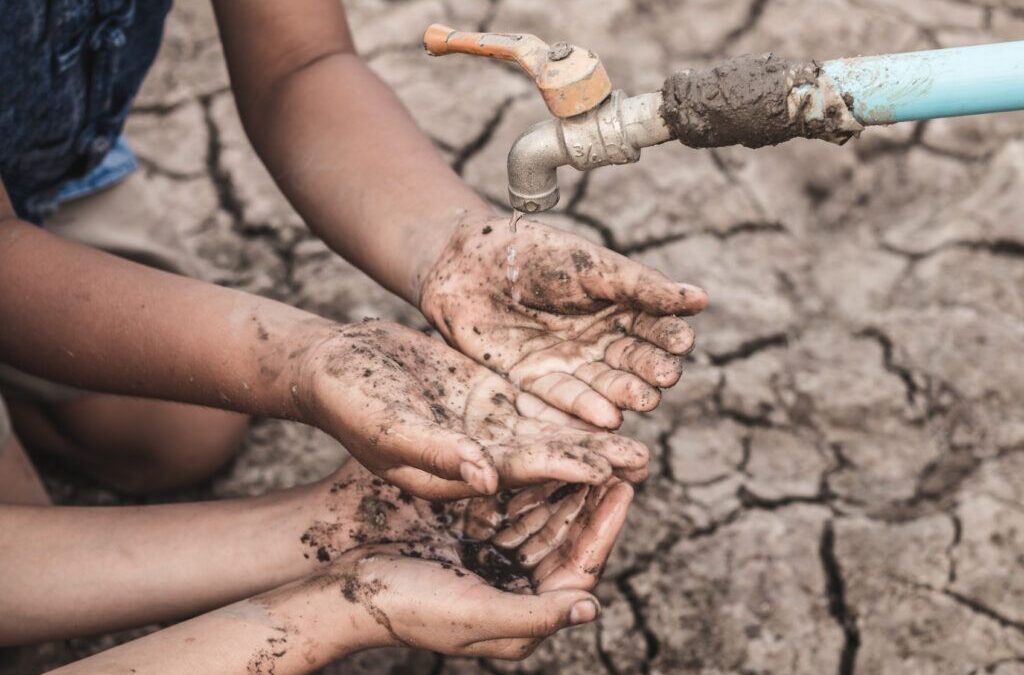
A delayed monsoon has intensified concerns over water availability in Maharashtra, with reservoir levels across the state falling significantly below last year’s figures and several regions already implementing water conservation measures.
According to data released by the Maharashtra Water Resources Department, the state’s 138 major reservoirs were operating at just 23% of their total storage capacity as of June 15, compared to 28% during the same period in the previous year. These reservoirs play a crucial role in supplying drinking water and supporting agricultural irrigation across the state.
The situation is particularly alarming in the Pune region, which recorded the lowest water storage levels among all regions. The area’s 35 major reservoirs were holding only 12% of their capacity, down sharply from 24% a year ago. Several reservoirs in the region have already reached dead storage levels, forcing authorities to reserve the remaining water exclusively for drinking purposes and halt supplies for irrigation.
Other regions reported mixed trends. The Nagpur region’s 16 major reservoirs held 38% of their storage capacity, an improvement from 31% last year. The Amravati region maintained stable levels at 38%, unchanged from the previous year. Meanwhile, the Sambhaji Nagar region’s 44 reservoirs recorded 32% storage compared to 34% last year, while the Nashik region’s 22 reservoirs stood at 23%, down from 28%. The Konkan region, with 11 reservoirs, also reported storage levels of 23%, compared to 28% during the same period in 2025.
State data shows that Maharashtra’s reservoirs currently contain a total of 35,532 million cubic liters of water. Of this, approximately 29,104 million cubic liters is classified as live storage, which can be used for drinking, agriculture, and other purposes. The remaining 6,427 million cubic liters is dead storage, which is generally difficult to access and not intended for routine use.
In response to the declining water levels, civic authorities have begun introducing restrictions. The Pune Municipal Corporation has announced a 50% reduction in water supply and issued advisories urging residents to use water sparingly. Housing societies, clubs, and gymkhanas have also been directed to avoid operating swimming pools, which consume large quantities of water.
Mumbai is facing similar challenges. The Brihanmumbai Municipal Corporation (BMC) has already imposed a 10% water cut and officials have indicated that stricter restrictions may be necessary if monsoon rains do not arrive soon. Some residents have reported receiving dark, muddy water, raising concerns that supplies may be drawing closer to dead storage reserves in reservoirs serving the metropolitan region.
Experts warn that prolonged delays in the monsoon could further strain drinking water supplies and affect agricultural activities across Maharashtra. Authorities continue to monitor reservoir levels closely while urging citizens to conserve water until rainfall replenishes the state’s critical water resources.With reservoir stocks steadily declining and rainfall yet to arrive in full force, Maharashtra faces growing pressure to manage its water resources carefully in the weeks ahead.