Abu Dhabi: The United Arab Emirates is reported to have played a far larger role in the recent Middle East conflict than previously understood, carrying out military strikes against Iran throughout the war and even after an April ceasefire was announced.
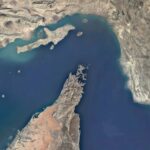
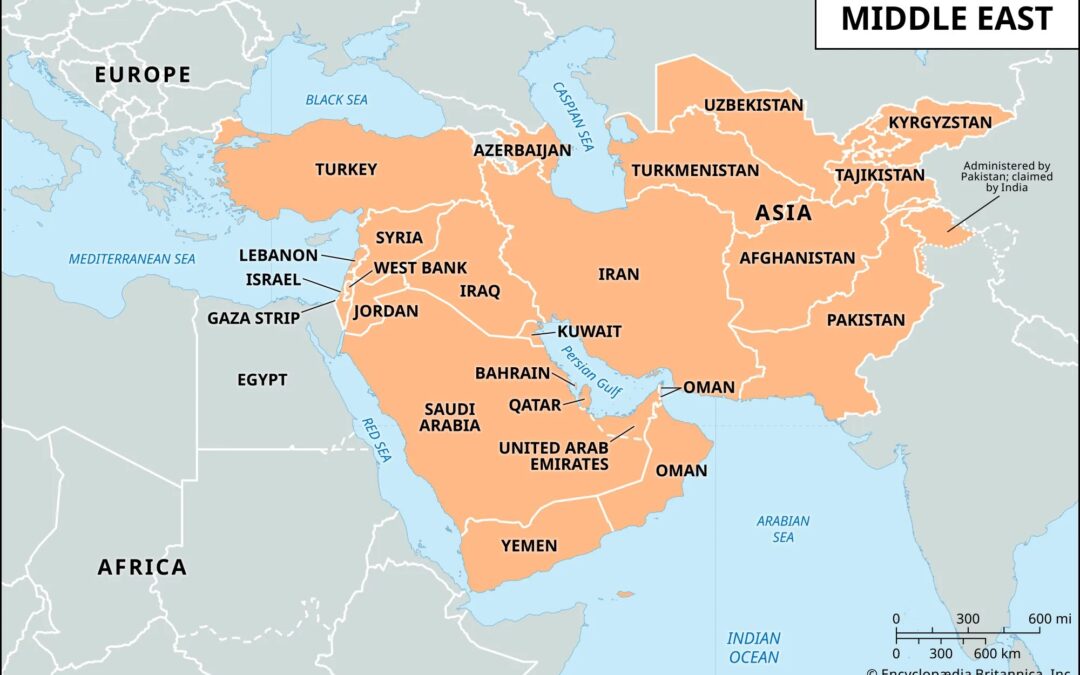
According to reports, the operations were coordinated with the United States and Israel, which allegedly provided intelligence support. Targets reportedly included Qeshm and Abu Musa islands in the Strait of Hormuz, Bandar Abbas, the Lavan Island oil refinery and the Asaluyeh petrochemical complex.
Several attacks focused on Iranian energy infrastructure and were described as retaliation for Iranian strikes on Emirati oil and gas facilities. A joint strike on the Asaluyeh complex reportedly attracted international criticism and led Washington to urge Israel to halt attacks on energy-related targets.
Gulf States Shift Position During Conflict
Before hostilities escalated, Gulf countries had stated that their airspace and military bases would not be used for offensive operations. However, that position reportedly changed after Iran launched missile and drone attacks against Gulf cities, airports and energy infrastructure.
The UAE is said to have been the primary target of these attacks, reportedly facing more than 2,800 missiles and drones during the conflict, a higher number than any other country involved.
Saudi Arabia and UAE Diverge on Strategy
The conflict also exposed differences between the UAE and Saudi Arabia.
Reports indicate that Saudi officials expressed concerns to the United States that Emirati military actions could provoke further Iranian retaliation against regional energy infrastructure, potentially disrupting global oil markets. Riyadh reportedly preferred diplomatic initiatives over direct military escalation.
The UAE, meanwhile, maintained that Iran bore responsibility for attacks against Emirati targets and defended its response.
Saudi Arabia, which reportedly suffered fewer and less severe attacks, publicly condemned strikes against Gulf states but focused on diplomatic efforts rather than military retaliation.
Tensions Between Gulf Allies
Differences over the conflict reportedly strained relations between UAE President Mohamed bin Zayed Al Nahyan and Saudi Crown Prince Mohammed bin Salman.
According to Gulf officials cited in reports, Abu Dhabi was frustrated by Riyadh’s reluctance to participate in coordinated military operations against Iran.
The disagreement added to existing competition between the two countries, including rival interests in the Red Sea region and differing positions in conflicts in Sudan and Yemen.
Political and Economic Pressure on Iran
Alongside military operations, the UAE reportedly backed draft proposals at the United Nations that could authorise force to end Iranian control over the Strait of Hormuz if necessary.
Authorities also introduced measures affecting Iranian-linked institutions and travel. Reports say schools and clubs associated with Tehran were closed in Dubai, while visa and transit restrictions were imposed on Iranian citizens.
Iran has repeatedly accused the UAE of assisting the US-Israeli campaign against it.
Longstanding Activist Foreign Policy
The UAE has often pursued an assertive foreign policy, using military and security partnerships to advance regional objectives. Analysts note that Abu Dhabi has previously been involved in conflicts in Sudan, Libya and Yemen.
However, questions remain about whether the UAE can effectively deter a larger and geographically closer adversary such as Iran. Emirati operations reportedly accounted for only a small share of the more than 20,000 strikes conducted by US and Israeli forces during the conflict.
Strait of Hormuz Remains Flashpoint
Despite the ceasefire, tensions in the region remain elevated. The United States and Iran continue to clash diplomatically over the future of the Strait of Hormuz, one of the world’s most important energy transit routes.
The conflict began on February 28 with joint US-Israeli strikes on Iran, after which Tehran moved to restrict activity through the strategic waterway, contributing to concerns over global energy supplies and maritime security.