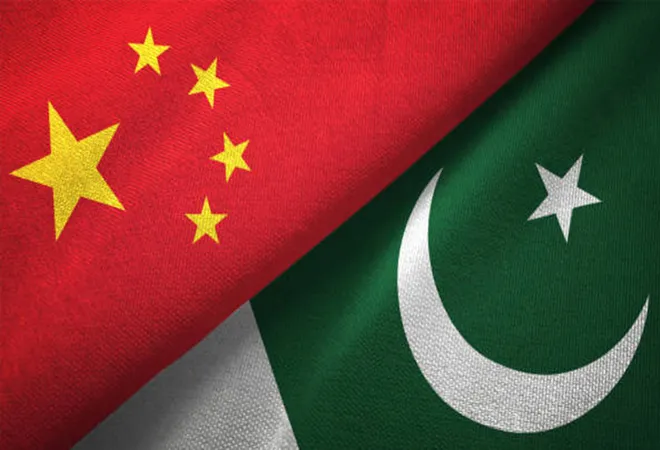
Pakistan Prime Minister Shehbaz Sharif arrived in China on Saturday for a four-day official visit, taking place amid ongoing diplomatic efforts surrounding the fragile ceasefire between the United States and Iran.
Arrival in Zhejiang Province
Sharif landed in Hangzhou, the capital of Zhejiang Province, according to Chinese state media. Details of his itinerary and scheduled meetings were not immediately disclosed.
Visit Follows High-Level Diplomatic Engagements
The trip comes shortly after visits to China by US President Donald Trump and Russian President Vladimir Putin, underscoring Beijing’s growing diplomatic role amid regional tensions.
Pakistan’s Mediation Role in US-Iran Tensions
Pakistan has emerged as a visible intermediary between Washington and Tehran during the ongoing crisis. Islamabad previously hosted direct talks between US and Iranian representatives, though those discussions failed to produce a lasting settlement.
The current visit occurs as negotiations continue alongside a fragile ceasefire that has paused large-scale hostilities.
China Yet to Confirm Middle East Discussions
China’s foreign ministry has not confirmed whether Sharif will discuss the Middle East conflict with Chinese President Xi Jinping during the visit.
Foreign ministry spokesperson Guo Jiakun said earlier that the leaders would discuss “issues of common concern” without elaborating further.
Beijing Backs Islamabad’s Diplomatic Efforts
Chinese officials have publicly expressed support for Pakistan’s role in seeking a negotiated resolution to the conflict.
According to Beijing, Pakistan has played a “fair and balanced mediating role” aimed at promoting peace and reducing the risk of further escalation.
China Pursues Quiet Diplomacy
While Pakistan has acted as a public mediator, China has largely operated behind the scenes, engaging with Gulf states and regional stakeholders affected by the conflict.
Chinese diplomacy has included consultations and discussions with governments impacted by disruptions resulting from Iranian actions following US-Israeli military strikes earlier this year.
Ceasefire Holds but Remains Fragile
The conflict has remained largely suspended since a ceasefire announced on April 8. However, negotiations between Washington and Tehran continue to face uncertainty.
President Trump recently described talks as balanced between the possibility of a diplomatic agreement and the risk of renewed military confrontation.
Strait of Hormuz Remains Key Concern
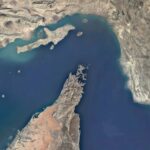
A major issue remains the future of the Strait of Hormuz, one of the world’s most important energy shipping routes.
Following talks with Xi in Beijing, Trump said the Chinese leader had offered assistance in efforts to restore normal commercial traffic through the strait, which has experienced severe disruption during the conflict.
Regional Stability and Energy Security in Focus
Sharif’s visit highlights the increasing importance of China-Pakistan coordination amid broader geopolitical uncertainty. Alongside bilateral issues, discussions are expected to focus on regional stability, energy security and efforts to prevent a renewed escalation of tensions in the Gulf.