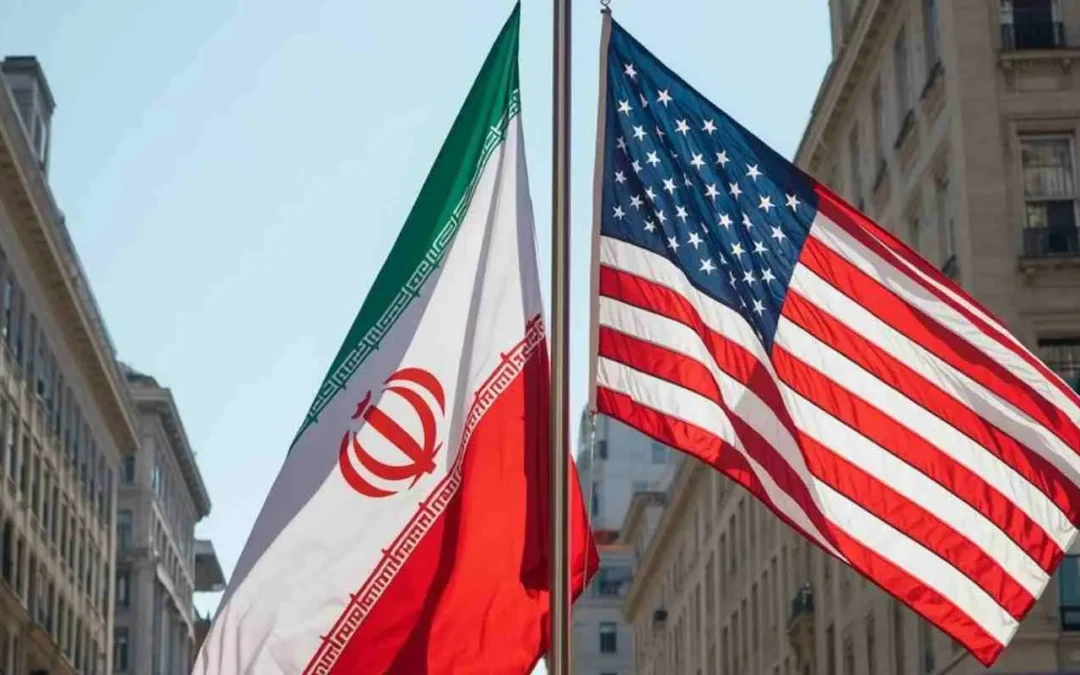
Even as military tensions persist around the Strait of Hormuz, reports suggest the United States and Iran may be moving closer to a diplomatic breakthrough aimed at extending the current ceasefire and reopening negotiations.
Draft Deal Said to Extend Ceasefire by 60 Days
According to reports, negotiators from Washington and Tehran have reached a draft Memorandum of Understanding (MoU) that would extend the fragile ceasefire and establish a 60-day window for negotiations focused primarily on Iran’s nuclear programme.
The proposed agreement is reportedly awaiting final approval from US President Donald Trump, who is said to be reviewing the terms before making a decision.
Focus Shifts to Nuclear Negotiations
Under the reported framework, discussions would centre on Iran’s uranium enrichment activities, nuclear stockpiles and international monitoring mechanisms.
Iran would reportedly agree not to pursue a nuclear weapon while negotiations continue, though Tehran has not publicly confirmed the details of the reported arrangement.
Strait of Hormuz Shipping Could Resume
The proposed deal would also seek to restore unrestricted commercial shipping through the strategically vital Strait of Hormuz.
Under the reported terms:
- US naval blockade operations would gradually be reduced.
- Iranian interference with commercial shipping would cease.
- Talks would begin on sanctions relief, access to frozen Iranian assets and humanitarian issues.
Military Escalation Continues Alongside Diplomacy
The diplomatic developments come despite ongoing military activity in the Gulf region.
Recent days have seen fresh attacks, drone interceptions and heightened rhetoric from both sides, highlighting the fragile nature of the ceasefire and the risk of renewed escalation.
Trump Combines Pressure with Negotiation
President Trump has continued to pair military pressure with diplomatic overtures.
During a Cabinet meeting, he reportedly warned Oman—a traditional intermediary between Washington and Tehran—over its role in discussions concerning commercial traffic through the Strait of Hormuz.
At the same time, Trump expressed confidence that shipping through the strait would soon return to normal and maintained that sustained US pressure was forcing Iran to negotiate.
Global Concerns Mount Over Energy Disruptions
The prolonged tensions have created significant concerns for countries heavily dependent on Gulf energy supplies, including India, Japan and South Korea.
Governments have faced:
- Rising tanker insurance costs.
- Shipping delays and disruptions.
- Concerns over energy security.
- Increased pressure to secure alternative fuel supplies.
Economic Impact Felt Beyond the Region
The conflict’s effects are also being felt in the United States, where higher fuel prices have added to domestic economic concerns ahead of congressional midterm elections.
Political analysts have noted growing public fatigue with a conflict that was initially expected to be short-lived but has evolved into a prolonged confrontation involving naval blockades, drone warfare and recurring crises around one of the world’s most important energy corridors.
War of Endurance Emerging
Observers increasingly view the confrontation as a contest of endurance rather than a struggle for outright military victory.
The US leadership appears determined to maintain economic and military pressure on Tehran, while Iran appears to be betting that prolonged costs and domestic political pressures will eventually weaken American resolve.
More a Pause Than a Peace Agreement
If finalised, the proposed MoU would represent a temporary de-escalation rather than a comprehensive peace settlement.
The reported arrangement reflects a growing recognition on both sides that continued confrontation has imposed substantial economic, military and political costs, while increasing the risk of a broader regional conflict.