Oil prices edged lower on Friday amid reports that the United States and Iran could extend their ceasefire, raising hopes of reduced tensions in the Middle East and a possible reopening of key shipping routes.
Brent Falls Below $95, US Crude Near $88
Brent crude futures declined 0.37% to $93.36 per barrel, while US crude futures fell 0.71% to $88.27 per barrel as traders weighed the prospects of a diplomatic breakthrough between Washington and Tehran.
Prospects of Extended Truce Weigh on Prices
Market sentiment was influenced by reports suggesting the US and Iran had agreed in principle to extend their ceasefire by 60 days and ease restrictions on maritime traffic through the Strait of Hormuz. However, the proposed arrangement has not yet received final approval from US President Donald Trump and has not been formally finalised by Iran.
JD Vance Says Deal Is Close but Not Final
US Vice President JD Vance said the two sides were nearing an agreement but acknowledged that key issues remain unresolved.
“We’re not there yet, but we’re very close and we’re going to keep on working at it,” Vance said, citing disagreements over Iran’s enriched uranium stockpile and enrichment levels.
Oil Markets See Sharp Weekly Volatility
Despite Friday’s decline, oil markets have experienced significant fluctuations over the past week. Brent crude dropped more than 8% during the period, falling to a low of $87.11 after reaching $109.47 last week as traders reacted to conflicting signals regarding the conflict and ceasefire negotiations.
Strait of Hormuz Remains Central to Market Outlook
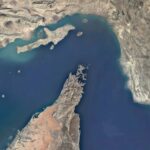
The Strait of Hormuz, a strategic waterway responsible for transporting roughly one-fifth of global oil and liquefied natural gas shipments, remains a key factor influencing energy markets.
Shipping traffic through the strait has reportedly fallen sharply since the conflict intensified, with vessel movements remaining well below pre-conflict levels.
Ongoing Military Activity Highlights Fragile Ceasefire
Concerns about the durability of the ceasefire persisted amid reports of continued military activity in the region.
According to reports, US forces struck Iranian-linked targets and intercepted drones in the Gulf region, while Kuwait reported intercepting a ballistic missile. Meanwhile, Iran’s Revolutionary Guard warned of a “more decisive response” if attacks continue.
Nuclear Dispute Remains Major Obstacle
Vance stated that Washington believes it can significantly hinder Tehran’s nuclear programme but stopped short of guaranteeing a final agreement, underscoring the unresolved nature of negotiations over Iran’s nuclear activities.
Markets Watching for Formal Agreement
Investors are closely monitoring developments between Washington and Tehran, with any formal ceasefire extension or agreement on maritime access through the Strait of Hormuz likely to have a significant impact on global energy prices and supply expectations.