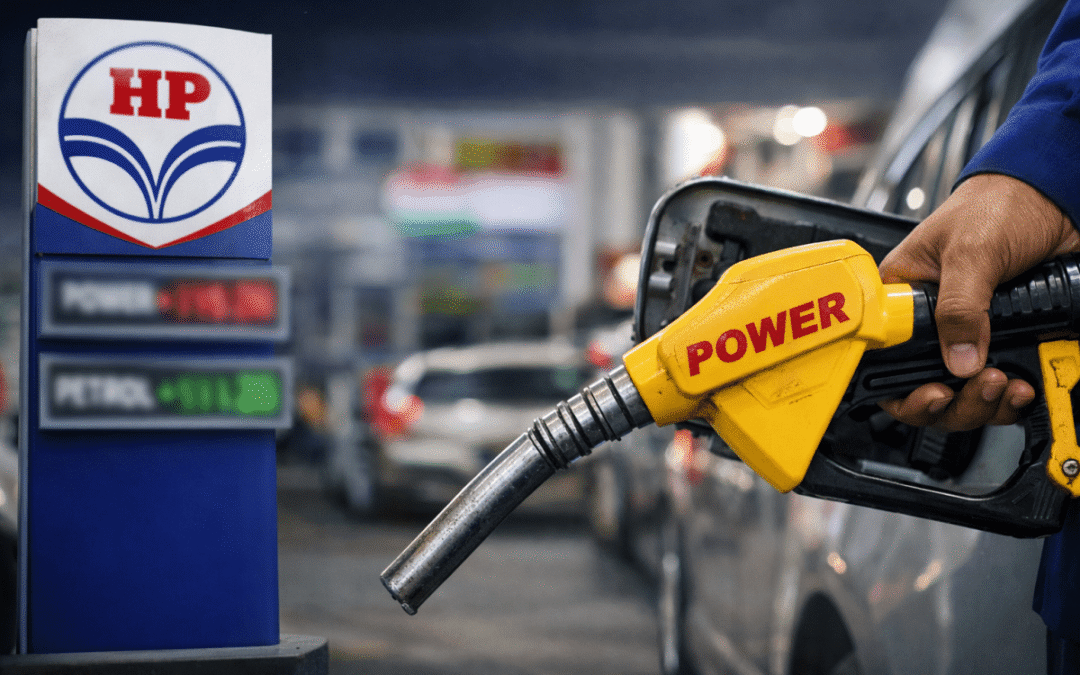
Fuel prices across India have become significantly more expensive, with petrol and diesel rates rising by nearly ₹7.5 per litre since tensions in the Middle East began escalating.
Petrol prices were increased by ₹2.61 per litre early Monday, while diesel prices went up by ₹2.71, marking the fourth hike in just ten days. Commuters using CNG in the Delhi-NCR region are also expected to feel the impact, with prices of compressed natural gas rising by ₹2 per kg. These hikes come on top of an earlier cumulative increase of around ₹4 through previous revisions.
The repeated revisions are now triggering concerns about inflation, rising transportation costs, and pressure on household budgets as consumers begin recalculating daily expenses. The hikes come amid the ongoing Middle East conflict, which has disrupted global crude supply chains and pushed international oil prices higher. Retail fuel prices had remained mostly unchanged for nearly four years before the first revision on May 15.
Transportation costs rise
Transportation is among the first sectors to feel the impact of rising fuel prices. Daily commutes, road trips, ride fares and logistics operations are all becoming costlier. According to transport operators, fuel now accounts for nearly 55% of truck operating costs, alongside expenses such as tolls, insurance, maintenance and financing.
Transporters say the back-to-back hikes are making operations financially difficult and are also forcing them to increase freight charges, which could eventually raise the prices of goods delivered across the country.
Supply chains under pressure
Higher diesel prices are also putting pressure on supply chains and delivery systems. Logistics operators are reporting higher operating costs, delayed deliveries and disruptions in vehicle movement. In some regions, transporters claim losses are reaching nearly ₹3,500 per vehicle per day, forcing some operators to keep vehicles idle.
The disruptions are beginning to affect manufacturing activity, import-export operations and the transportation of essential commodities.
Household budgets may tighten
The rise in petrol and diesel prices is expected to make daily essentials more expensive. From groceries and packaged food to food delivery and dining out, transport-linked costs are likely to push up prices across sectors.
Industry experts say FMCG companies may eventually resort to selective price hikes or reducing product quantities if elevated fuel prices continue for multiple quarters. Companies such as Nestlé, Hindustan Unilever, Marico and Dabur have already implemented price increases between 2% and 5% amid rising inflation and input costs.
Concerns over inflation and economy
Finance Minister Nirmala Sitharaman said India’s economy remains resilient despite externally driven challenges. However, rising fuel prices are increasing inflationary pressure across sectors as transportation costs filter into food, logistics and manufacturing expenses.
The government has previously reduced excise duties to ease pressure on oil marketing companies (OMCs), but the finance minister noted that any further reduction in fuel taxes could result in a revenue impact of around ₹1 lakh crore.
OMC shares gain, but uncertainty remains
Fuel price revisions also influenced stock market activity, with shares of major oil marketing companies moving higher. Indian Oil Corporation, Hindustan Petroleum Corporation Limited and Bharat Petroleum Corporation Limited all saw gains as crude oil prices eased slightly amid signs of progress in US-Iran peace talks.
Despite the recent price hikes, analysts say OMCs may continue facing pressure due to elevated crude prices and a weakening rupee. Industry experts believe more calibrated fuel price revisions may still be required in the coming months.