Daniel Shapiro, former US ambassador to Israel and now a critic of the war’s execution, described the proposed agreement in stark terms.
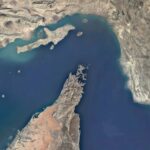
“The US-Iran deal being described in the news is a weak deal, and the net result of this war is significant damage to US strategic interests,” Shapiro said, arguing that Iran’s demonstrated ability to disrupt the Strait of Hormuz and attack regional infrastructure had given Tehran leverage Washington had underestimated.
“Iran has gained significant leverage for the future by demonstrating it can control the Strait, by attacking its neighbors and US bases in the region and causing significant damage, and by taking the United States’ and Israel’s best punch and surviving,” he added.
The assessment has unsettled Israeli officials and American hawks who supported military escalation. Senator Ted Cruz, one of the administration’s strongest defenders during the conflict, publicly expressed concern over reports of a potential agreement.
“I am deeply concerned about what we are hearing about an Iran ‘deal,’” Cruz said. “If the result of all that is to be an Iranian regime — still run by Islamists who chant ‘death to America’ — now receiving billions of dollars, being able to enrich uranium and develop nuclear weapons, and having effective control over the Strait of Hormuz, then that outcome would be a disastrous mistake.”
Senator Lindsey Graham voiced similar worries, while Israeli officials reportedly fear that Trump, under pressure from Gulf allies, may ultimately settle for de-escalation rather than pursue complete military victory.
Earlier in the conflict, Defense Secretary Pete Hegseth had demanded what critics described as Iran’s “unconditional surrender”. The administration now appears to be confronting the limitations of military pressure.
Former Republican congressman Adam Kinzinger mocked the apparent shift in strategy with a sarcastic summary posted online:
“Trump: ‘Only complete and total surrender.’
Iran: ‘Nah.’
Trump: ‘Ok then no nukes ever! We want the nuclear dust!’
Iran: ‘We’re keeping it.’
Trump: ‘Ok!!!! We have a deal.’”
Within Trump’s political coalition, the negotiations have exposed divisions between hawkish conservatives and influential MAGA figures wary of prolonged Middle East conflicts. Many now want Trump to declare victory and avoid deeper involvement in another regional war.
Political pressure reportedly intensified after criticism from conservatives over Trump missing his son’s wedding event to oversee negotiations that some have labelled “surrender diplomacy”.
Tehran, meanwhile, has openly mocked the American president. Iranian-linked media circulated a statement claiming that “American officials have acknowledged in multiple messages to Iran that Trump’s tweets are primarily for promotional purposes and media consumption within the United States, and they have recommended that no attention be paid to these statements.”
The remarks reflected growing confidence in Tehran that it had survived the combined US-Israel military campaign without conceding its core strategic interests.
Iranian officials increasingly portray the negotiations not as a retreat but as proof of the country’s resilience.
“With conservative optimism, we can hope that, if the other side is adequately committed, a positive stride is taking shape,” said Reza Amiri Moghadam, Iran’s ambassador to Pakistan. He praised “the steadfastness of the courageous armed forces and the resistance of the brave Iranian nation,” along with mediation efforts involving Pakistan.
Analysts say the conflict may have hardened rather than weakened Tehran’s negotiating position. Before the war, Iran had shown some willingness to discuss limits on uranium enrichment and broader nuclear concessions. After weeks of fighting, its priorities now appear focused on security guarantees, sanctions relief, economic stabilization and formal recognition of its regional influence.
While the military campaign may have delivered tactical gains for Washington, critics argue that it strengthened Iran’s long-term bargaining position.
The consequences extend beyond the Middle East. Successive US administrations had attempted to shift American strategic focus toward the Indo-Pacific and competition with China. Instead, Washington once again finds itself absorbed by Gulf tensions, energy disruptions and the politics of regime survival in Tehran.
Despite the scale of the US-Israel campaign, the outcome confronting Washington may echo a reality Trump himself once acknowledged years earlier: Iran may not win wars outright, but it continues to survive long enough to negotiate from a position of strength.