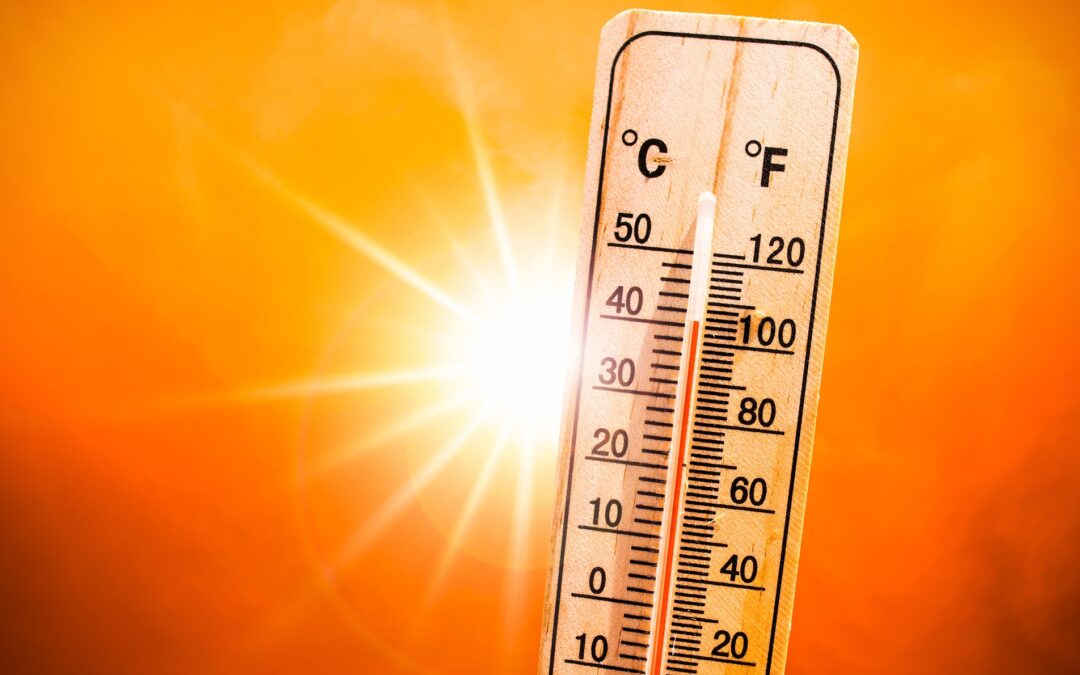
New Delhi experienced its hottest day of the season on Monday, with temperatures soaring across several parts of the capital and multiple areas crossing the 44°C mark.
The India Meteorological Department (IMD) has warned that the intense heat is likely to continue over the next few days, issuing a yellow alert for heatwave conditions from Tuesday to Friday.
Mercury May Touch 45°C, Says IMD
According to the IMD, maximum temperatures in Delhi could rise to nearly 45°C during the week.
The Lodhi Road observatory recorded a maximum temperature of 43.8°C on Monday, which was 4.8 degrees above normal and met the criteria for a heatwave.
However, officials said an official heatwave declaration requires such conditions to persist for at least two consecutive days.
“If similar conditions persist on Tuesday, Monday will be considered an isolated heatwave day as well,” an IMD official said.
Safdarjung Logs Season’s Highest Temperature
Safdarjung, Delhi’s base weather station, recorded a maximum temperature of 43.4°C, around 3 degrees above normal and the highest so far this season.
The previous highest temperature this year was 42.8°C, recorded on April 25.
Among the hottest locations in the capital on Monday were:
- Ridge: 44.6°C
- Ayanagar: 44.4°C
- Mungeshpur: 43.9°C
- Palam: 43.5°C
The minimum temperature settled at 26.3°C, considered normal for this time of year.
Heatwave Conditions Likely Till Friday
The IMD said temperatures could rise by another 2°C over the next two days.
Forecasts indicate maximum temperatures of 43-45°C on Tuesday and Wednesday, followed by 42-44°C on Thursday and Friday, creating isolated heatwave conditions across parts of Delhi.
Under IMD norms, a heatwave is declared when temperatures reach 45°C or more, or when temperatures exceed 40°C with a departure of at least 4.5 degrees above normal.
Air Quality Remains Moderate
Meanwhile, Delhi’s air quality stayed in the “moderate” category on Monday, with the Air Quality Index (AQI) recorded at 173, slightly lower than Sunday’s 174.
PM10, or coarse particulate matter largely consisting of dust particles, remained the dominant pollutant in the city’s atmosphere.