Oil prices edged higher on Thursday as global markets remained cautious ahead of high-level talks between US President Donald Trump and Chinese President Xi Jinping in Beijing. Energy markets have remained under pressure since the outbreak of the Middle East conflict, with disruptions in the Strait of Hormuz continuing for 75 days and keeping crude prices elevated.
By 7:05 am, WTI crude was trading at $101.1 per barrel, up 0.11%, while Brent crude rose to $105.8 per barrel, gaining 0.16%.
The modest gains followed a weaker session on Wednesday, when both benchmark contracts declined amid concerns that potential US interest rate hikes could dampen economic activity and fuel demand. Brent crude had fallen by more than $2 a barrel, while WTI dropped by over $1.
Trump, who arrived in Beijing on Wednesday evening, is expected to hold several discussions with Xi focused on securing economic agreements, preserving a fragile trade truce and addressing contentious geopolitical issues including the Iran conflict and US arms sales to Taiwan.
Although Trump had earlier suggested that China’s support was not essential to ending the Iran conflict, analysts expect him to urge Beijing to play a greater role in de-escalation efforts. However, market observers remain sceptical that China will offer the level of cooperation Washington is seeking.
According to Reuters, IG analyst Tony Sycamore warned that failure to make progress on reopening the Strait of Hormuz could leave the United States with limited alternatives beyond renewed military action.
Meanwhile, Iran has reportedly strengthened its position around the Strait of Hormuz and reached arrangements with Iraq and Pakistan to facilitate shipments of oil and liquefied natural gas from the region.
China continues to remain central to Iran’s oil trade despite international sanctions and pressure from the Trump administration. In 2025, more than 80% of Iran’s exported oil cargoes were shipped to China, where independent refiners have continued purchasing discounted sanctioned crude.
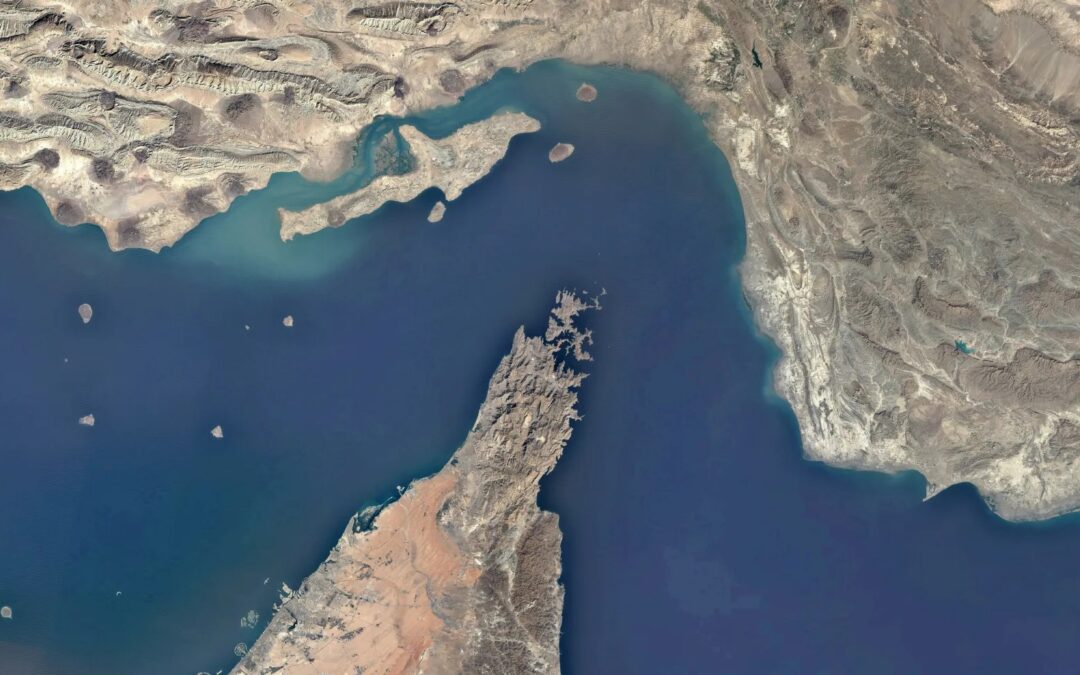
The Middle East conflict has intensified sharply over the past two months following joint US-Israeli strikes on Iran, deepening regional instability. In response, Tehran tightened its control over the strategically vital Strait of Hormuz, one of the world’s most important maritime energy corridors through which nearly 20% of global petroleum liquids consumption passes.