Indian-American scientist Jay Bhattacharya has urged the public not to panic over the recent hantavirus outbreak linked to a cruise ship near Spain’s Canary Islands, saying the situation is fundamentally different from the Covid-19 pandemic and unlikely to trigger a global health crisis.
Speaking on CNN’s State of the Union on Sunday, Bhattacharya, the acting Director of the Centers for Disease Control and Prevention (CDC), said established hantavirus containment protocols were already in place and had proven effective in previous outbreaks.
“I don’t want to cause a public panic,” Bhattacharya said, adding that the outbreak would be handled using “hantavirus protocols that were successful at containing outbreaks in the past.”
“The key message I want to send to your audience is that this is not COVID,” he said. “This is not going to lead to the same kind of outbreak. We shouldn’t be panicking when the evidence doesn’t warrant it.”
The outbreak has been linked to the expedition cruise vessel MV Hondius, which was carrying around 150 passengers near the Canary Islands. According to World Health Organization officials, at least three passengers have died and five others have become seriously ill since April 11.
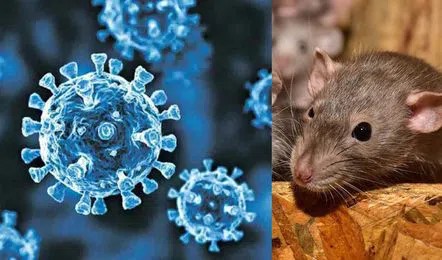
Hantavirus is primarily spread through rodents and can cause severe respiratory illness along with fever, vomiting and diarrhoea. The CDC estimates that roughly 38 per cent of patients who develop respiratory symptoms die from the disease. However, experts note that the virus spreads far less easily than Covid-19 and generally requires close contact for human transmission.
The cruise ship has since anchored near the Canary Islands, and passengers have begun disembarking under medical supervision. Seventeen American passengers were reportedly onboard, with some expected to quarantine at a specialist medical facility in University of Nebraska Medical Center after returning to the United States.
Bhattacharya defended the CDC’s response, saying officials had already contacted affected passengers and were closely monitoring them.
“The CDC has been in contact with each of the passengers,” he said, adding that interviews were underway and arrangements were being made for quarantine and safe transport where necessary.
He explained that the agency was following protocols similar to those used during the 2018 Andes hantavirus outbreak in Epuyén, which killed 11 people.
Bhattacharya also clarified why authorities were not tracing every airline passenger who may have travelled near those exposed to the virus. According to him, the passengers who flew home from the ship were not symptomatic during travel, meaning fellow passengers are considered only indirect contacts.
“Because the virus doesn’t spread unless somebody has active symptoms, those passengers on the planes are considered contacts of contacts,” he said.
Born in Kolkata, Bhattacharya is a professor of health policy at Stanford University and gained international prominence during the Covid-19 pandemic as a co-author of the Great Barrington Declaration, which criticised lockdowns and vaccine mandates.