Global oil prices jumped sharply on Tuesday as escalating tensions in the Middle East reignited fears of supply disruptions through the Strait of Hormuz, a critical artery for global energy trade.
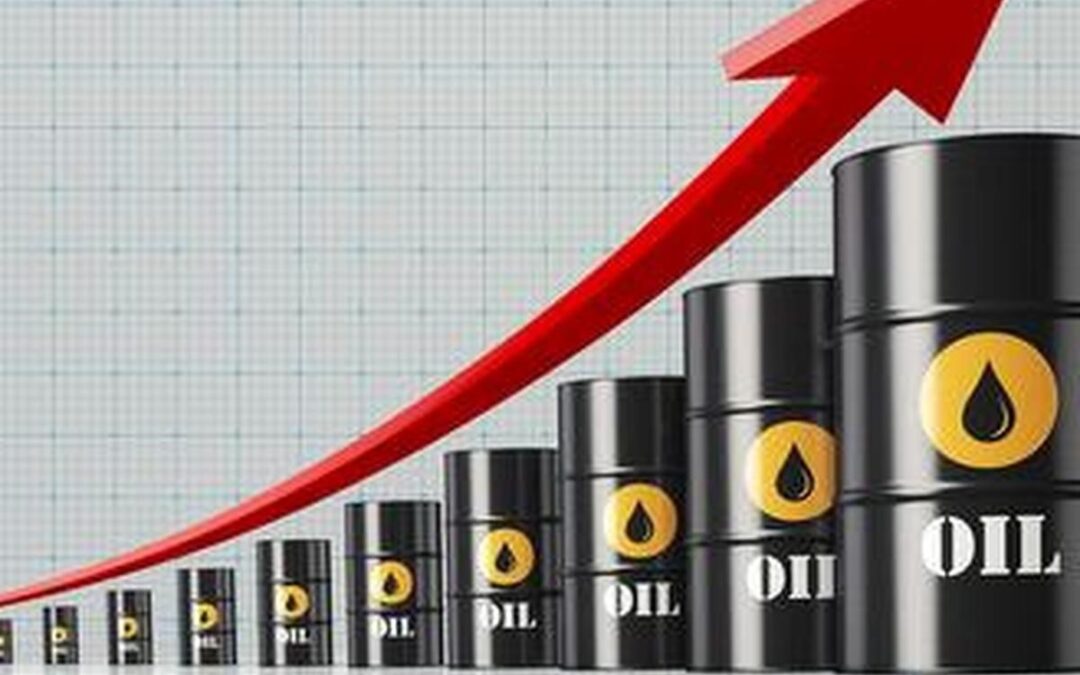
Brent crude, the global benchmark, settled at $114.44 per barrel—up roughly 6%—while US benchmark West Texas Intermediate (WTI) climbed 4% to $106.42. Early Wednesday trading showed slight easing, with Brent at $113.7 and WTI at $104.7.
The surge followed a drone strike on the Fujairah Oil Industry Zone, the UAE’s largest oil storage hub. Emirati officials attributed the attack to Iran, marking the first such strike since the April 7 ceasefire and raising alarm over renewed hostilities.
Military tensions intensified further when the US Central Command reported that American helicopters destroyed six Iranian speedboats deemed a threat to vessels in the strait. US forces also intercepted drones and missiles while escorting two US-flagged ships through the region.
US President Donald Trump accused Iran of targeting multiple vessels, including a South Korean cargo ship, amid growing friction around “Project Freedom,” Washington’s initiative to assist stranded neutral ships.
The developments have put a fragile ceasefire between Washington and Tehran under severe strain. Iranian media signaled a tougher posture, with reports claiming Iranian forces engaged US naval ships and asserting tighter control over maritime traffic in the strait.
The broader crisis traces back to February 28, when joint US-Israel strikes on Iran triggered retaliation from Tehran. Since then, disruptions in the Strait of Hormuz have periodically choked global oil flows, pushing prices to volatile highs—including a recent spike to $126 per barrel, the highest in four years.
As tensions persist, markets remain on edge, with even limited disruptions in the Gulf capable of triggering sharp price swings worldwide.