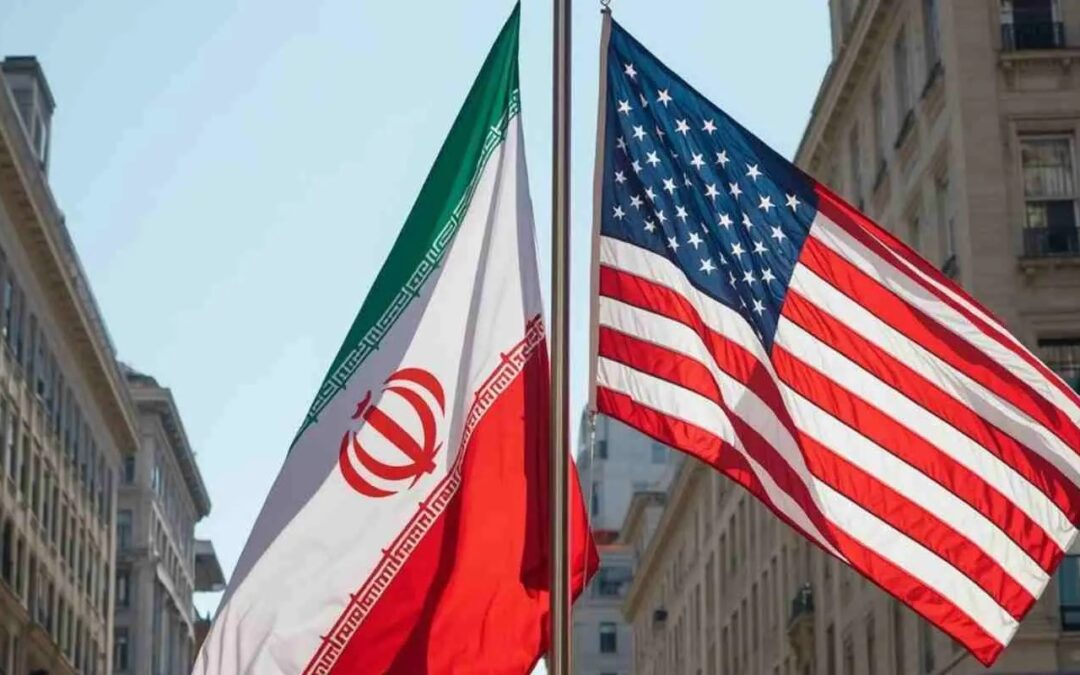
The United States and Iran appear on the brink of renewed confrontation in the Gulf after Tehran launched drone and missile strikes on the UAE, responding to Washington’s attempt to escort stranded ships through the Strait of Hormuz under “Project Freedom.”
In a high-stakes move blending humanitarian messaging with strategic signalling, US President Donald Trump initiated a US-led effort to guide commercial vessels through the volatile waterway under military protection. The initiative, however, was met with immediate resistance as Iran targeted the UAE’s Fujairah province, prompting defensive action against incoming threats.
Washington claimed two merchant ships had successfully crossed the strait, but Tehran dismissed the assertion, insisting it retained full control. These competing narratives reflect an ongoing two-month standoff that has disrupted one of the world’s most vital oil routes.
The struggle over the Strait of Hormuz now highlights a stark imbalance: while the US holds overwhelming military superiority, Iran continues to shape the tempo and terms of escalation.
Trump framed the operation as a humanitarian intervention, citing appeals from neutral nations to assist vessels reportedly running low on supplies. He pledged safe passage under US protection, warning that any interference would be met with force. Though presented as a goodwill gesture, the mission carries clear coercive undertones.
Shipping Hesitation and Strategic Reality
On the ground, Project Freedom has seen a cautious rollout. Ship traffic remains sparse, with most vessels favouring a route closer to Iran’s coastline rather than a US-backed corridor near Oman. Industry leaders cite unclear operational details and question the plan’s sustainability without Iranian coordination.
Despite its unmatched naval capabilities, the US faces geographic and political constraints. Iran’s proximity to the strait, combined with its arsenal of missiles, drones, and fast-attack boats, allows it to exert significant influence over maritime activity. Even limited disruptions can drive up insurance costs and deter commercial operators.
Without a broader agreement involving Tehran, insurers are unlikely to support large-scale transit, leaving global shipping in limbo.
Domestic Pressure Mounts in the US
Back home, the crisis is hitting American consumers. Fuel prices have surged to an average of $4.5 per gallon, up sharply from $2.9 before the conflict, with analysts warning they could exceed $5.
The spike is intensifying political pressure on Trump, who has prioritised energy affordability. While some lawmakers warn that Project Freedom risks escalating into a wider conflict without congressional approval, others argue intervention is necessary to stabilise global energy supplies.
Trump has remained defiant, describing the operation as both limited and essential. He has also pointed to ongoing “positive discussions” with Iran, signalling that diplomacy remains possible even as military tensions continue to rise.