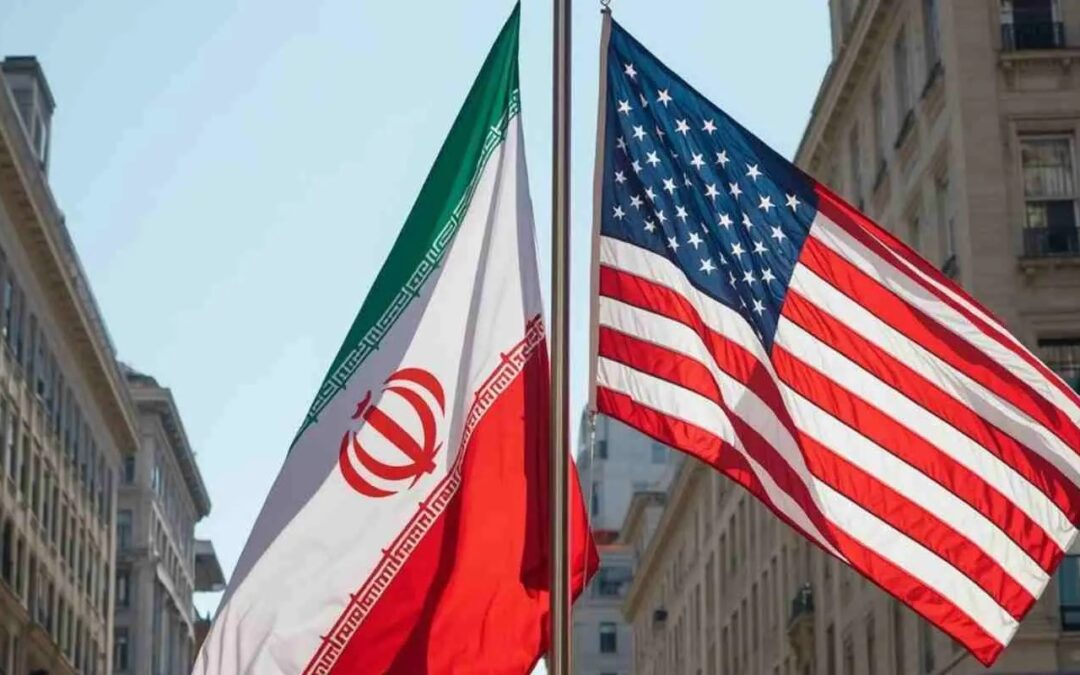
Iran said late Sunday that it has received a response from the United States to its 14-point proposal, which calls for resolving bilateral issues within 30 days and seeks a definitive end to the war rather than a temporary ceasefire.
According to Iranian state media, Washington conveyed its reply via Pakistan, and Tehran is currently reviewing the response. There has been no immediate confirmation from either the US or Pakistan.
Iran’s foreign ministry spokesperson, Esmaeil Baghaei, indicated that nuclear negotiations are not part of the current phase, suggesting Tehran wants to defer discussions on its nuclear programme until after the conflict ends.
Meanwhile, tensions remained high in the region, with a cargo vessel near the Strait of Hormuz reportedly attacked by multiple small boats.
Proposal aims for swift end to conflict
Iran’s proposal outlines a 30-day framework to resolve disputes and bring the war to a close. US President Donald Trump said on Saturday that he was reviewing the plan but expressed skepticism about its prospects, stating that Iran had “not yet paid a big enough price” for its actions over the past decades.
Tehran confirmed on Sunday that it had received Washington’s response to the proposal and is assessing it. However, neither the US nor Pakistan has publicly acknowledged the exchange.
Baghaei reiterated that nuclear talks are off the table for now, aligning with Iran’s position that such discussions should only take place after hostilities cease and maritime tensions in the Gulf are addressed.
Diplomatic efforts face hurdles
Although the US and Israel halted their bombing campaign against Iran four weeks ago and held an initial round of talks with Iranian officials, efforts to continue negotiations have stalled.
Iran submitted its latest proposal on Thursday, with officials indicating that priority is being given to ending the war and resolving disruptions to shipping before addressing the nuclear issue.
Trump said he had yet to review the full details of the proposal but was leaning toward rejecting it. While he left open the possibility of renewed military action, he declined to provide specifics, saying only that it remained an option if Iran “misbehaves.”
Key sticking point: nuclear programme
Iran’s suggestion to postpone nuclear negotiations appears to conflict with Washington’s insistence that Tehran accept strict limits on its nuclear programme before any broader agreement is reached.
The US has called on Iran to relinquish its stockpile of more than 400 kg of highly enriched uranium, which it says could be used to develop nuclear weapons. Iran maintains that its programme is peaceful but has indicated willingness to accept certain restrictions in exchange for sanctions relief, similar to the terms of the 2015 nuclear deal that was later abandoned by Trump.
According to Iranian media, the 14-point plan also includes demands such as the withdrawal of US forces from nearby regions, lifting of blockades and sanctions, release of frozen assets, compensation payments, an end to hostilities across multiple fronts including Lebanon, and the establishment of a new mechanism to manage security in the Strait of Hormuz.