An India-linked supertanker is currently attempting a high-stakes transit through the Strait of Hormuz, signaling a critical push by New Delhi to alleviate a worsening domestic energy shortage.
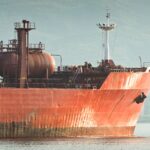
As first reported by Bloomberg, the Sarv Shakti, a Marshall Islands-flagged vessel carrying 45,000 tons of liquefied petroleum gas (LPG), was observed moving through the waterway on Saturday toward the Gulf of Oman.
Breakthrough transit amid U.S. blockade
The Sarv Shakti’s voyage represents the first observed attempt by an India-linked tanker to exit the strait since the implementation of a U.S. blockade on Iran-tied shipping.
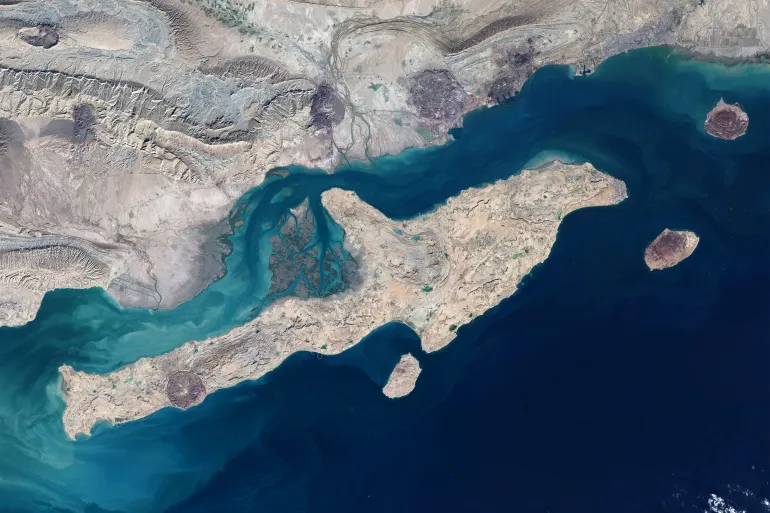
Ship-tracking data indicates the vessel is broadcasting its Indian crew status, a common safety protocol during the current conflict, as it passes Iran’s Larak and Qeshm islands.
The cargo, purchased by the state-run Indian Oil Corp. (IOC), is a vital shipment for a nation struggling with acute shortages of cooking fuel.
Traffic through the Strait of Hormuz has remained at a near-standstill since an April incident where Iranian forces fired upon vessels attempting to cross the briefly reopened thoroughfare.
India has successfully negotiated the passage of eight LPG vessels through bilateral talks with Tehran, but this latest transit is one of the largest since the blockade began. The Sarv Shakti reportedly received its cargo via ship-to-ship transfer off Dubai before beginning its transit.
India’s domestic energy crisis and response
As the world’s second-largest consumer of LPG, India has been hit hard by the supply gap left by Middle Eastern producers. The shortage has triggered panic buying and forced domestic consumers to pare down usage.
In response, the Indian government has ordered its ports to prioritize LPG tankers and has aggressively ramped up domestic production.
According to Oil Minister Hardeep Puri, India has increased domestic LPG production by 60% to 54,000 tons to bridge the deficit. However, daily consumption still outpaces supply, even as demand dropped slightly to 80,000 tons per day.
The successful exit of the Sarv Shakti would provide a temporary reprieve, but the continued volatility in the Hormuz passage remains a significant risk to India’s energy security and inflation targets.
Source: Investing.com