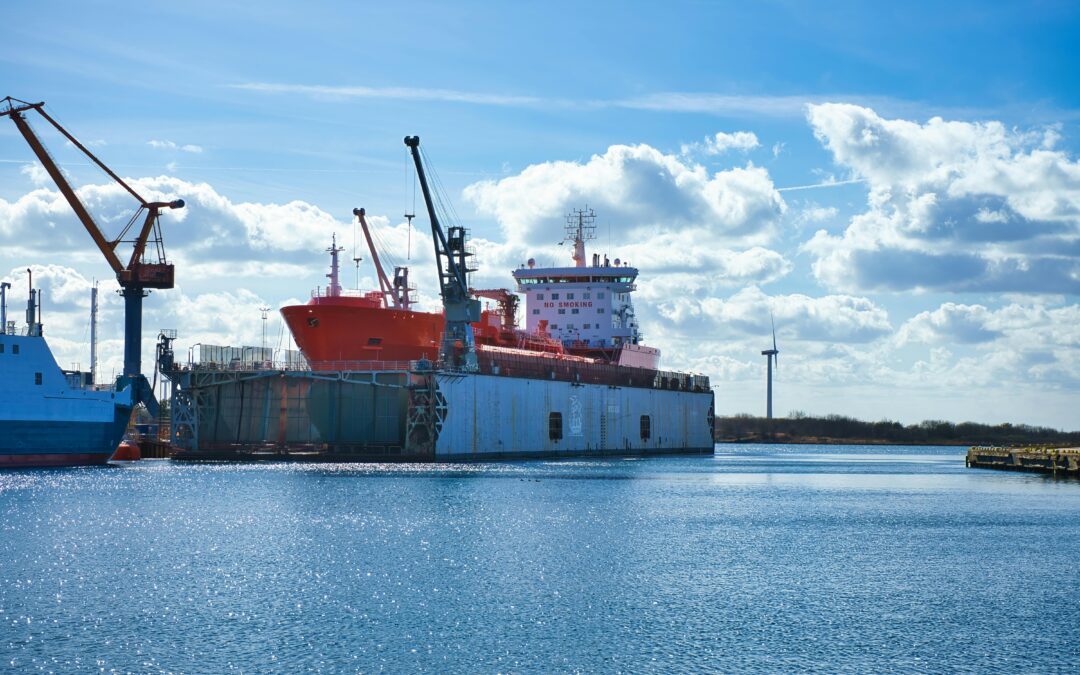
Three ships were attacked near the Strait of Hormuz on Wednesday, after President Donald Trump announced an indefinite extension to a ceasefire agreement with Iran hours before it was due to expire.
State media in Iran reported that the paramilitary Islamic Revolutionary Guards Corps had attacked a ship in the strait, saying the vessel was “stranded” on the Iranian coast.
Shipping monitor U.K. Maritime Operation said a separate container ship in the strait was attacked, shortly after a boat belonging to the Revolutionary Guards struck a ship in the area. Iranian state media claimed that the Revolutionary Guards seized these two vessels.
Trump has also said an ongoing U.S. blockade of Iranian ports and coastline — an action that Iran’s foreign minister has argued constitutes an “act of war” — will stay in place. He argued that Iran is “collapsing financially!” and wants the strait to be “opened immediately” because Tehran is “Starving for cash.”
Tanker shipping through the Strait of Hormuz, a vital waterway off of Iran’s southern coast through which roughly a fifth of the world’s oil traverses, has been all but closed since the start of the war in late February.
Oil prices rose on Wednesday, with , the global benchmark, sitting just below $100 a barrel. A spike in crude compared to pre-war levels has sparked fears over an inflationary surge that could weigh on global growth and cause central banks to hike interest rates.
Trump unveils ceasefire extension
In a statement on social media on Tuesday, Trump said that he had agreed to the ceasefire extension at the request of Pakistan, a frequent mediator between the U.S. and Iran.
He added that the “Attack on the Country of Iran” will be held off “until such time as their leaders and representatives can come up with a unified proposal […] and discussions are concluded, one way or the other.”
Iran’s foreign ministry spokesperson acknowledged the ceasefire extension in comments carried by Iranian state television, the Associated Press reported. Israel, Washington’s ally which launched a joint campaign in late February, has yet to provide a response.
Uncertainty swirled around future peace talks between the U.S. and Iran. An anticipated trip to Pakistan for a fresh round of negotiations with Iran by U.S. Vice President JD Vance was put on hold as well, following an announcement from Iranian state media that its delegation deemed the talks to be a “waste of time because the U.S. prevents reaching any suitable agreement.”
Still, Pakistan’s top political and military leadership has been working to keep the talks from collapsing, the AP said, citing Pakistani officials.
Pakistan is also waiting to hear from Iran on when it will send a delegation to Islamabad for a second round of discussions with American officials, according to the AP. Previous talks earlier this month ended without a peace deal.
Elsewhere, British Prime Minister Keir Starmer and French President Emmanuel Macron are set to hold a meeting of more than 30 countries in London which will be focused on reopening the Strait of Hormuz. A prior meeting established a plan to create a defensive mission to help escort tankers through the shipping conduit.
Source: Investing.com