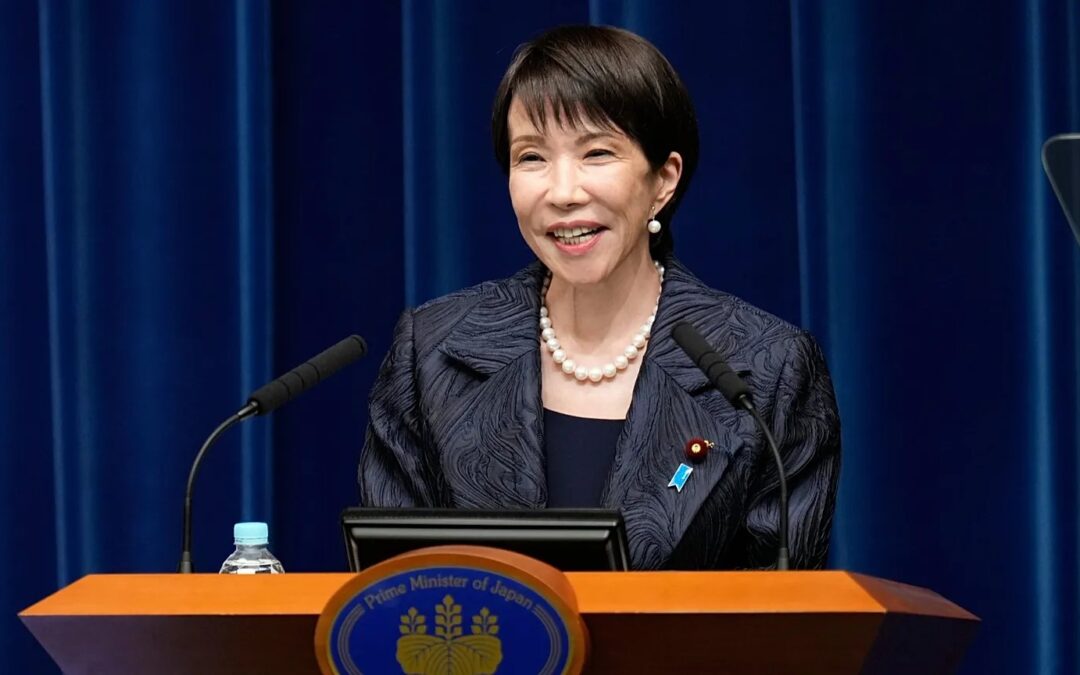
Japan has taken a decisive step away from its post-World War II pacifist framework, with the Cabinet led by Prime Minister Sanae Takaichi approving new guidelines that lift long-standing restrictions on the export of lethal military equipment.
The move marks one of the most significant shifts in Japan’s defence policy in decades, opening the door for the export of advanced weaponry such as fighter jets, missiles, and destroyers—far beyond previous allowances limited to non-lethal or support equipment.
A major policy turning point
For years, Japan maintained strict controls on arms exports under its pacifist constitution, restricting transfers to non-combat roles like rescue operations, surveillance systems, and logistical support. Even recent relaxations had only permitted items such as protective gear, radar systems, and civilian-use vehicles.
The newly approved guidelines effectively remove these limitations, positioning Japan as a potential player in the global defence market while strengthening its domestic defence industry.
Chief Cabinet Secretary Minoru Kihara stated that the revised policy aims to “ensure safety for Japan” and contribute to regional and international stability, particularly as the country faces an increasingly complex security environment.
Strategic and regional implications
The decision comes amid rising geopolitical tensions in East Asia, prompting Tokyo to accelerate its military preparedness and deepen defence cooperation with allies.
Key partners such as Australia have welcomed the move, while interest from Southeast Asian and European nations signals potential demand for Japanese defence equipment.
However, the policy has drawn sharp criticism from China, which views the shift as a destabilising development in the region.
Domestic debate intensifies
Within Japan, the decision has sparked concern among critics who argue it undermines the country’s long-standing pacifist principles. They warn that expanding arms exports could increase global tensions and expose Japan to greater security risks.
Supporters, on the other hand, see the move as a necessary evolution—one that aligns Japan’s policies with current geopolitical realities and strengthens its ability to contribute to international security.
As Japan steps into a more assertive defence role, the decision signals a clear departure from decades of restraint, reshaping its position on the global stage.