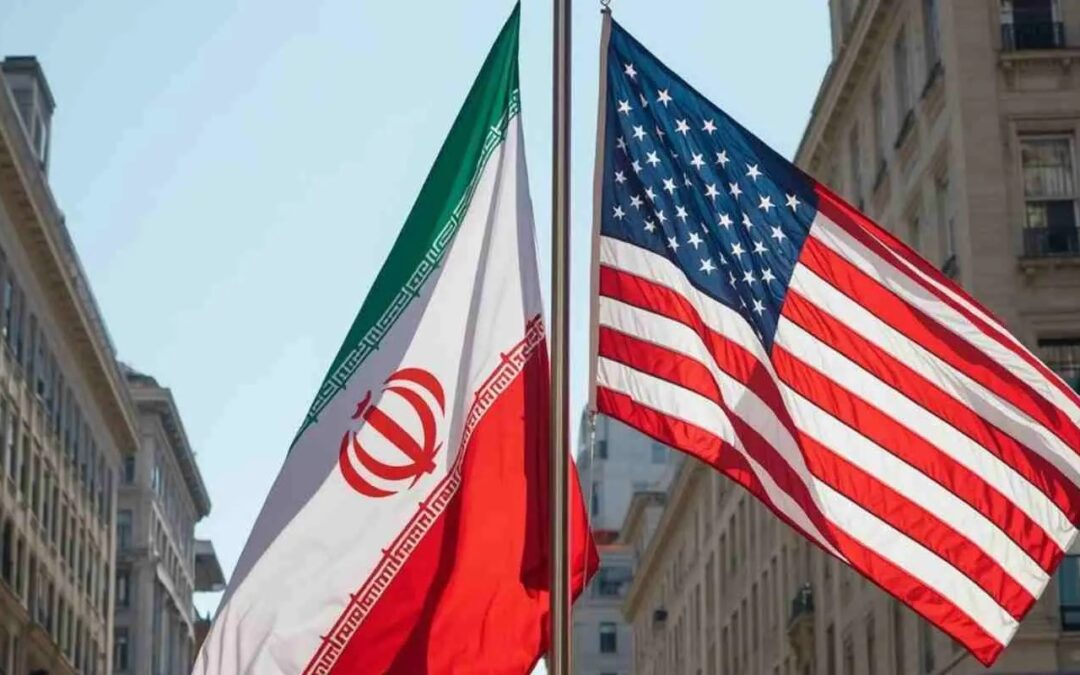
Iran has ruled out participating in a second round of peace talks with the United States, intensifying tensions amid renewed naval confrontations. State news agency IRNA said there are “no plans” for further negotiations at present, accusing Washington of excessive demands, shifting positions, and “constant contradictions.” It also cited an ongoing naval blockade and recent maritime incidents as major barriers to diplomacy.
In statements carried by Iranian media, Tehran said the current atmosphere “cannot be considered positive,” adding there is “no clear prospect of fruitful negotiations” under existing conditions. Reports suggesting an imminent second round of talks in Islamabad were dismissed as “not true,” and described as part of a US-led “media game” and pressure campaign.
Iran’s ambassador to Pakistan, Reza Amiri Moghadam, accused Washington of undermining diplomacy through coercive measures. He said the US cannot violate international law, intensify its blockade, threaten further aggression, and still claim to pursue dialogue, stressing that the blockade remains the central fault line.
Iranian state outlets reiterated that the US naval blockade of its ports is a key sticking point, which Tehran views as collective punishment.
Tensions have further escalated following reports that a US warship intercepted and damaged an Iranian-flagged cargo vessel allegedly attempting to evade inspection. While Washington maintained the ship was already under sanctions, Iran condemned the incident as “armed piracy” and warned of retaliation.
State broadcaster IRIB confirmed that Iran has no plans to attend further talks, with outlets such as Fars and Tasnim reporting that negotiations are unlikely unless restrictions on Iran are lifted.
The standoff has also unsettled global energy markets, with oil prices rising amid concerns over potential disruptions in the Strait of Hormuz, a vital route for global crude shipments.