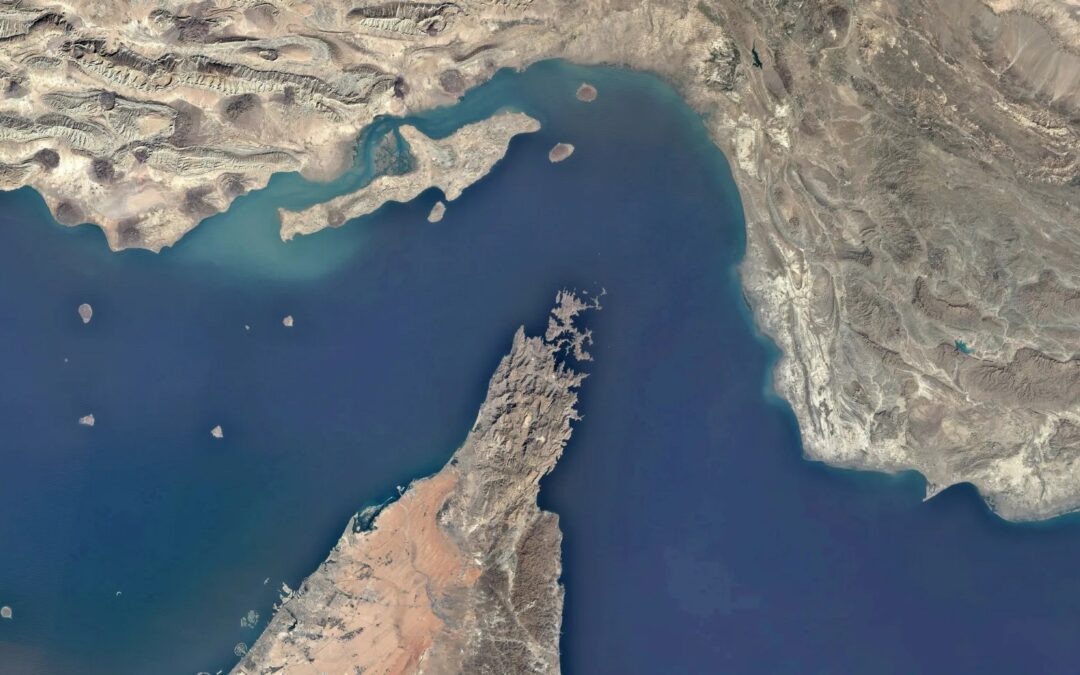
The Strait of Hormuz—one of the world’s most vital energy corridors—remains only partially operational, not just because of politics, but due to real and dangerous conditions at sea.
Here’s what’s actually preventing a full reopening:
- Undetected naval mines: the biggest threat
Iran deployed naval mines early in the conflict, many of which are now unaccounted for.
- Some mines have drifted with ocean currents, making their locations unpredictable
- Even one undetected mine can cripple or sink a large oil tanker
- Shipping companies are unwilling to risk vessels without verified safe corridors
This is the single biggest reason normal traffic hasn’t resumed.
- Mine-clearing is slow and complex
Clearing sea mines isn’t quick or easy:
- Requires specialised ships, sonar systems, and trained divers
- Must be done methodically to avoid accidental detonation
- Iran currently lacks the capacity for rapid, large-scale clearance
In short: laying mines takes hours; removing them can take weeks or months.
- Ongoing security risks
Even beyond mines, the strait is still volatile:
- Risk of drone or missile attacks
- Presence of small fast boats that can harass or disrupt tankers
- Continued military tensions despite the ceasefire
So even “cleared” routes may not feel safe to global shipping firms.
- Strategic leverage in negotiations
The strait is also a powerful bargaining tool:
- Iran has hinted at controlled access or transit fees
- The US has rejected this, calling it international waters
- Reopening is now tied to broader ceasefire and sanctions talks
This means reopening isn’t just technical—it’s political.
- Global stakes are massive
- About 20% of the world’s oil passes through this narrow channel
- It’s also critical for liquefied natural gas (LNG) shipments
- Disruptions trigger fuel price spikes and global economic uncertainty
Bottom line
Iran isn’t fully reopening the Strait of Hormuz because:
- It can’t guarantee safety due to hidden mines
- It lacks rapid cleanup capability
- The area is still militarily unstable
- And the situation is being used as leverage in high-stakes negotiations
Until shipping lanes are proven safe and tensions ease, the strait will likely operate below normal capacity—keeping global energy markets on edge.