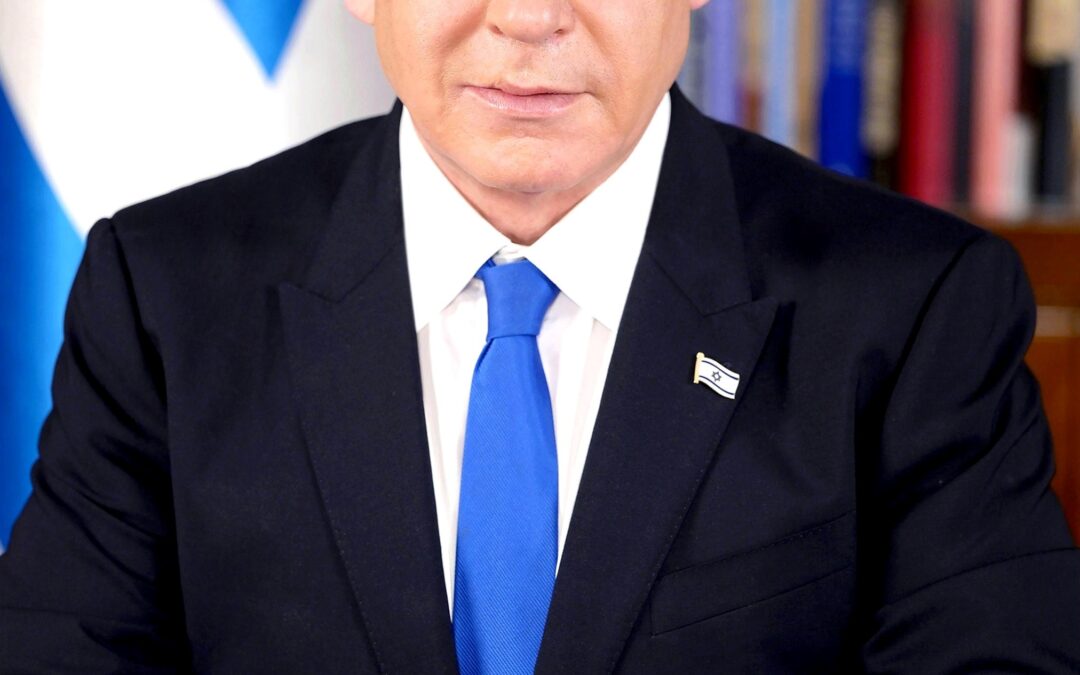
Israel has reportedly expressed dissatisfaction with how the United States handled its ceasefire agreement with Iran, with The Wall Street Journal noting that Israeli officials were only informed at a late stage and had limited involvement in the negotiations.
According to the report, Israel raised concerns over the lack of prior consultation and certain aspects of the agreement. Sources said coordination was largely confined to a phone call between US President Donald Trump and Israeli Prime Minister Benjamin Netanyahu shortly before the ceasefire was publicly announced.
The US and Iran declared a two-week ceasefire early Wednesday, alongside plans for further negotiations to end the conflict. As part of the deal, Iran agreed to reopen the Strait of Hormuz, a key move aimed at stabilising global energy supplies.
Despite reported frustrations, Netanyahu publicly supported the decision. In a post on X, he said Israel backed the temporary halt in strikes, provided Iran immediately reopened the strait and ceased attacks on the US, Israel, and other regional countries.
Hours after Trump’s announcement, Netanyahu’s office formally welcomed the ceasefire but clarified that it does not apply to Lebanon—rejecting claims by some mediators that suggested otherwise. Israeli officials reportedly opposed including Lebanon in the framework, viewing it as a separate front.
In a televised address, Netanyahu stressed that the ceasefire is temporary and does not mark the end of the conflict. He reiterated that Israel remains ready to resume military action if necessary, stating that key objectives are yet to be achieved.
Responding to criticism from opposition leaders, including Yair Lapid, who called the truce a “diplomatic disaster,” Netanyahu maintained that the agreement was made in coordination with Israel and denied being caught off guard.
He also highlighted recent Israeli strikes targeting Iran’s missile production sites, nuclear infrastructure, and networks linked to the Revolutionary Guards. Additionally, he confirmed that military operations against Hezbollah would continue, emphasizing Israel’s goal of disarming the group.