NEW DELHI: Nearly eight lakh new piped natural gas (PNG) connections have been added over the past month as part of a government-led push to reduce reliance on LPG cylinders and promote cleaner fuel alternatives, a senior official said on Sunday.
Of these, around half the connections—covering both households and commercial users—have already been activated, while the remaining are in various stages of processing.
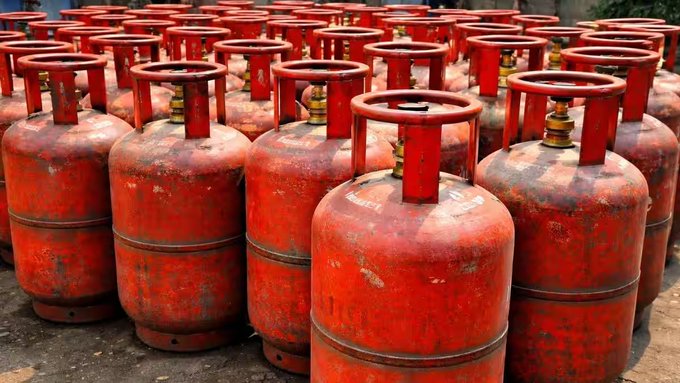
Officials said the LPG supply system remains stable despite rising demand. “We have consistently delivered around 50 lakh cylinders, fully meeting domestic demand and up to 80% of commercial demand. There is no reason for concern over shortages,” the official stated.
In line with the government’s efforts, over 16,000 LPG consumers have voluntarily surrendered their connections after switching to piped gas. Authorities have also introduced a dedicated portal where users can submit surrender requests, along with a “hall of fame” recognising those who opt out of LPG usage.
To further ease pressure on the system, the Centre has encouraged citizens to adopt alternatives such as induction and electric cooktops wherever feasible.
Supply chain concerns triggered by the ongoing West Asia conflict have also been addressed. Officials confirmed that adequate stocks of crude oil, petroleum products, and cooking gas are being maintained and replenished through imports where necessary.
Technology-driven measures have improved distribution efficiency. Online LPG bookings have surged to 95%, while authentication code-based delivery systems—designed to curb diversion—have increased significantly from 53% in February to around 90% now.
To support migrant workers and others without permanent LPG access, oil companies have ramped up sales of portable 5-kg cylinders. Since March 23, about 6.6 lakh such cylinders have been sold, including 90,000 in a single day—up from the earlier daily average of 70,000–75,000.
The government expects these measures to not only stabilise household fuel supply but also improve the availability of raw materials for industries—such as packaging and pharmaceuticals—that were impacted by disruptions linked to the ongoing geopolitical tensions.