At a modest bus stand in Mangaluru, a fruit seller once faced a question he could not answer. Foreign tourists asked the price of his oranges—in English. He understood the fruit, but not the language. That brief moment of helplessness stayed with Harekala Hajabba—and quietly reshaped his life.
A moment that changed everything
Hajabba had never received formal education. That encounter with tourists did more than embarrass him—it revealed a gap he could not ignore. Coupled with the reality that his village lacked a school, it sparked a single, powerful resolve: no child after him should grow up without access to education.
What began as a small, personal sting turned into a lifelong mission.
Building a school—one saving at a time
In 2000, Hajabba began using his earnings from selling oranges to build a school in Newpadapu village in Karnataka’s Dakshina Kannada district. There were no grand donations or institutional backing at the start—just persistence, savings, small loans, and unwavering belief.
Over time, that effort grew into a functioning government school that has educated more than 2,000 children. It wasn’t built overnight, but through years of quiet sacrifice—proof that change often comes in small, consistent steps.
Recognition, without changing the man
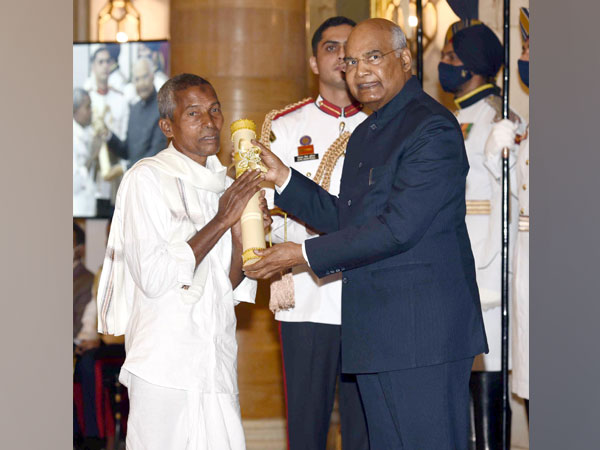
Hajabba’s story eventually reached the nation. In 2020, he was named a recipient of the Padma Shri for his contribution to social work, one of India’s highest civilian honours, conferred in 2021.
Yet, even after national recognition, his life remained simple. Reports noted that he was informed about the award while standing in a ration shop queue—a detail that captured the essence of who he is: grounded, humble, and unchanged by fame.
The journey continues
The story didn’t end with the school—or the award. By late 2024, the institution had begun introducing bilingual classes, expanding its reach. Plans for further development, including a pre-university college building, are still in progress, with funding challenges yet to be resolved.
Hajabba continues to work, save, and push forward—still driven by the same idea that started it all.
A legacy beyond one village
What makes his journey powerful isn’t just that he built a school—it’s what that act represents. Hajabba transformed a moment of personal limitation into a collective opportunity for others.
His life stands as a reminder that dignity can grow from adversity, and that lasting change doesn’t always begin with power or wealth—sometimes, it begins with a single decision to not accept things as they are.