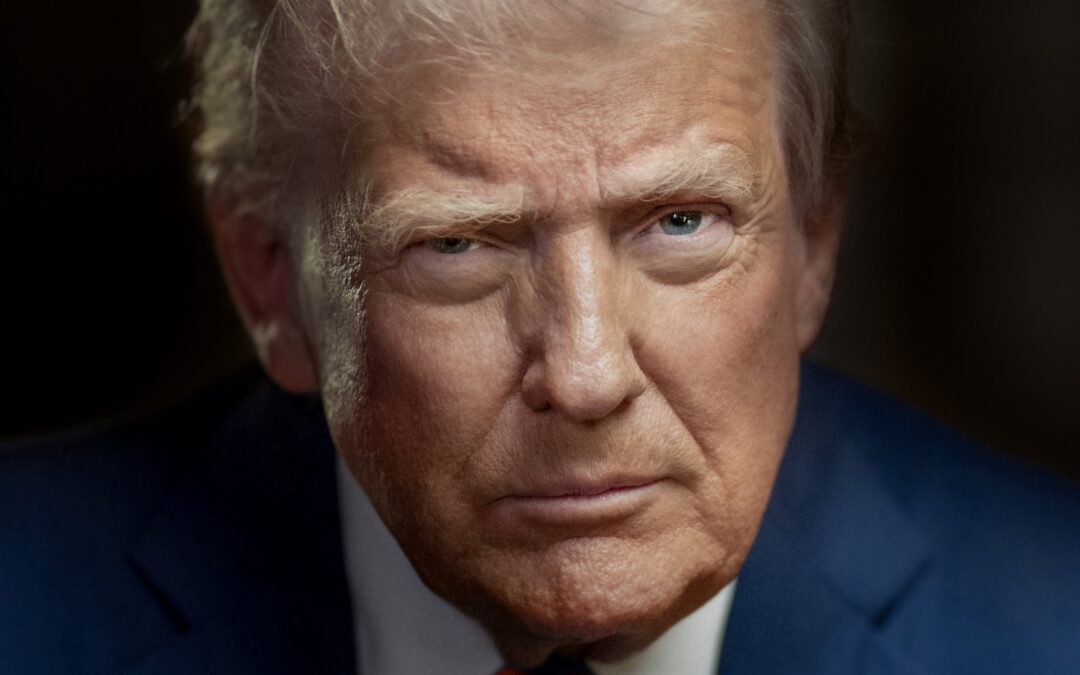
NEW DELHI: US President Donald Trump spoke with Prime Minister Narendra Modi on Tuesday to discuss the escalating West Asia conflict, with a particular focus on securing the Strait of Hormuz — a critical global energy route currently affected by Iranian restrictions.
The conversation comes amid growing diplomatic activity and tentative hopes of de-escalation. Trump recently announced a five-day pause on planned military strikes targeting Iranian facilities, signalling a possible opening for negotiations. Reports suggest Washington is also considering sending Vice President JD Vance to Pakistan for potential talks with Iranian officials.
In a post on X, Modi said he had a “useful exchange of views” with Trump and reiterated India’s position in favour of dialogue. “India supports de-escalation and restoration of peace at the earliest. Ensuring that the Strait of Hormuz remains open, secure and accessible is essential for the whole world,” he said, adding that both leaders agreed to stay in touch on efforts to maintain peace and stability.
According to Indian officials, Modi emphasised that uninterrupted shipping through the Strait is vital for global economic stability and energy security — an issue of particular importance for India, which relies heavily on oil imports passing through the region.
The call also comes against the backdrop of broader diplomatic engagement. External Affairs Minister S. Jaishankar spoke with US Secretary of State Marco Rubio a day earlier, discussing the conflict’s potential impact on global markets and India’s energy security.
The outreach was first disclosed by US ambassador Sergio Gor, who said Trump was keeping Modi “in the loop” on developments.
Meanwhile, Pakistan has emerged as a potential intermediary. Prime Minister Shehbaz Sharif has publicly offered to host talks between the US and Iran aimed at achieving a “comprehensive settlement” to the conflict, which began on February 28. Trump appeared to endorse the offer by sharing Sharif’s statement on his Truth Social platform.
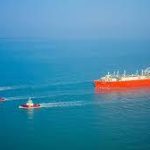
On the ground, the situation in the Strait of Hormuz remains tense. While Iran has allowed several Indian vessels to pass in recent weeks, others remain stranded near the chokepoint. Government sources said India continues to engage diplomatically with Tehran to facilitate safe passage.
Jaishankar also met Iran’s ambassador to India, Mohammad Fathali, on Tuesday, conveying India’s concerns and thanking Tehran for assisting Indian nationals in the country.
In parallel, Modi held talks with Sri Lankan President Anura Kumara Dissanayake, with both leaders discussing the broader implications of the conflict on regional energy security. They also reviewed progress on bilateral energy cooperation and reaffirmed their commitment to addressing shared challenges.
India has so far maintained a cautious stance on the crisis. While calling consistently for diplomacy and restraint, New Delhi has not endorsed proposals such as a US-led naval coalition to secure the Strait. The Ministry of External Affairs said it is closely monitoring developments, with spokesperson Randhir Jaiswal reiterating that lasting peace can only be achieved through dialogue and diplomacy.