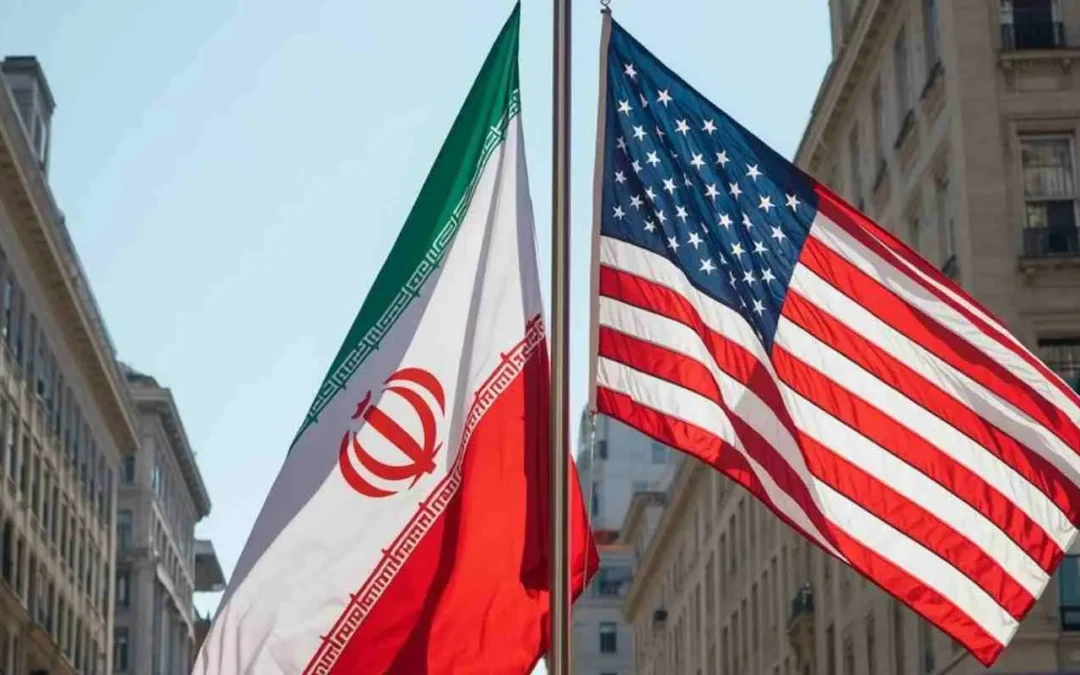
US President Donald Trump has proposed a 15-point framework aimed at ending the escalating conflict with Iran, underscoring that any agreement must begin with a firm condition: Tehran must not possess a nuclear weapon. The proposal, conveyed through Pakistan, reflects a renewed diplomatic push even as fighting on the ground continues, according to a New York Times report citing officials familiar with the matter.
The plan reportedly addresses Iran’s ballistic missile and nuclear programmes and is seen by Washington as a potential “offramp” from a war now entering its fourth week, with multiple countries drawn into the crisis. Israeli broadcaster Channel 12 reported that the proposal includes a one-month ceasefire, during which negotiations would take place. These talks could involve Iran relinquishing its stockpile of enriched uranium and agreeing to halt further enrichment.
While The New York Times said it has not reviewed the document directly, officials indicated that it also covers maritime security concerns. Since the conflict erupted on February 28, Iran has effectively restricted Western shipping through the Strait of Hormuz — a critical global energy corridor — disrupting oil and gas supplies and pushing prices higher.
In return, Iran could receive support for developing civilian nuclear energy, particularly at the Bushehr facility, a longstanding site dating back to before the 1979 Islamic Revolution.
However, key uncertainties remain. It is unclear how widely the proposal has been circulated within Iran’s leadership or whether Tehran is willing to engage with its terms. There is also no confirmation on whether Israel supports the initiative.
Despite the diplomatic overture, military operations show little sign of slowing. Israeli officials have suggested that their campaign could continue for weeks. Acknowledging parallel diplomatic efforts, White House Press Secretary Karoline Leavitt said: “As President Trump and his negotiators explore this newfound possibility of diplomacy, Operation Epic Fury continues unabated to achieve the military objectives laid out by the commander in chief and the Pentagon.”
Pakistan, along with its army chief Field Marshal Asim Munir, has emerged as a potential intermediary, leveraging reported ties with Iran’s Islamic Revolutionary Guard Corps to facilitate communication. Egypt and Turkey are also said to be urging Tehran to engage constructively.
According to the report, Munir has reached out to Iranian Parliament Speaker Mohammad Bagher Ghalibaf, offering to host talks between the two sides. Backing the effort, Pakistan Prime Minister Shehbaz Sharif said his country “fully supports ongoing efforts to pursue dialogue” and stands ready to facilitate negotiations, subject to agreement from both Washington and Tehran.
Iran’s capacity to respond swiftly remains in question. Senior officials are reportedly grappling with communication disruptions and security concerns, particularly fears of targeted strikes if they convene in person. Early in the conflict, Israeli attacks reportedly killed several senior Iranian figures, including Supreme Leader Ayatollah Ali Khamenei, complicating the chain of command and decision-making in Tehran.
Even as US and Israeli forces target Iran’s missile infrastructure and nuclear facilities, Tehran continues to launch strikes against Israel and neighbouring countries. It is also believed to retain significant reserves of highly enriched uranium, keeping tensions high and prospects for a swift resolution uncertain.