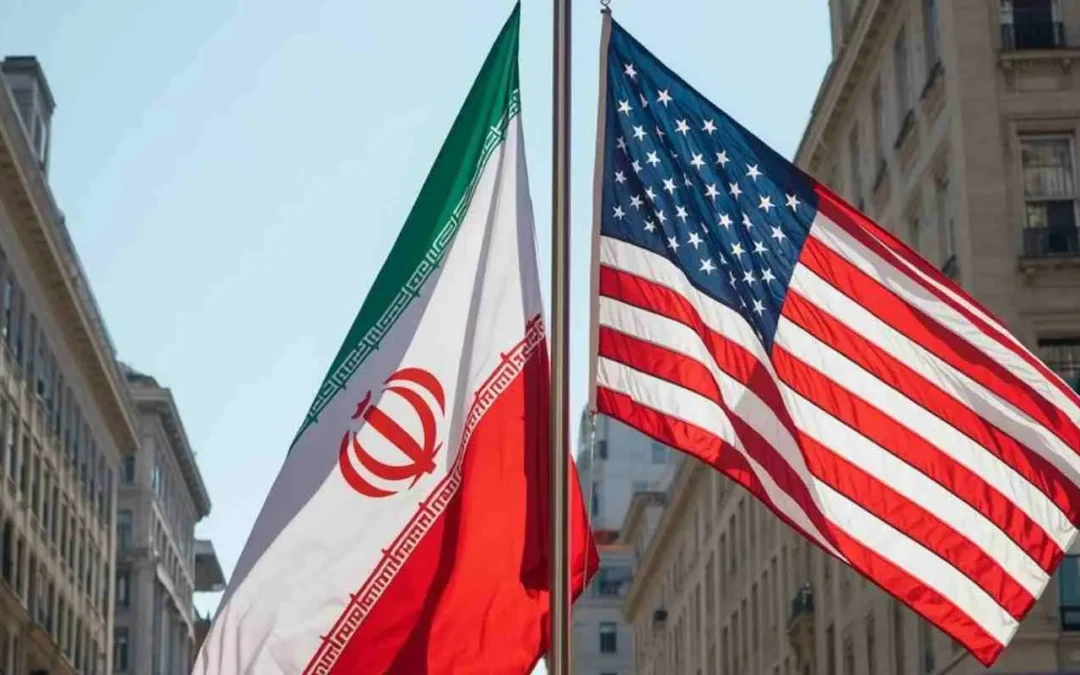
Less than two days before the United States and Israel launched strikes on Iran, US President Donald Trump and Israeli Prime Minister Benjamin Netanyahu held a crucial phone call, weighing what officials described as a rare and fleeting intelligence opportunity. At the heart of the discussion was the possibility of targeting Iran’s top leadership—including Supreme Leader Ayatollah Ali Khamenei—a high-risk move that has since rattled global energy markets and tightened supply.
According to Reuters, both leaders had been briefed earlier that week that Khamenei and several senior figures were expected to gather at his Tehran compound, presenting a potential “decapitation strike” scenario—an approach more commonly associated with Israel than the United States. Fresh intelligence, however, indicated the meeting had been moved up from Saturday night to Saturday morning, narrowing the window further.
Sources familiar with the call said Netanyahu, long an advocate of confronting Iran’s leadership, argued this could be the best—and possibly only—chance to eliminate Khamenei. He also pointed to past alleged Iranian attempts to target Trump, including a reported 2024 murder-for-hire plot linked by US authorities to retaliation for the killing of IRGC commander Qassem Soleimani.
At the time of the call, Trump had already approved the concept of military action but had yet to finalize its timing or conditions. In the preceding weeks, the US had steadily increased its military presence in the region, fuelling expectations within the administration that a strike was imminent. An earlier opportunity had reportedly been scrapped due to poor weather.
While it remains unclear how निर्णायak Netanyahu’s arguments were, sources described the call as a final push. Combined with intelligence suggesting a rapidly closing window, it helped lead to Trump authorizing “Operation Epic Fury” on February 27.
Netanyahu framed the moment as historic, arguing that removing Iran’s leadership could reshape the region and potentially spark internal unrest against the country’s theocratic regime, in power since 1979.
The operation unfolded swiftly. Airstrikes began early on February 28, and by evening, Trump announced that Khamenei had been killed.
In response to Reuters, White House spokesperson Anna Kelly did not comment directly on the Trump-Netanyahu call but said the objective was to dismantle Iran’s missile capabilities, neutralize its navy, curb its ability to arm proxies, and prevent it from acquiring nuclear weapons.
Netanyahu’s office and Iran’s UN representative did not immediately respond to requests for comment.
At a later press conference, Netanyahu dismissed claims that Israel had drawn the US into the conflict as “fake news,” adding, “Does anyone really think someone can tell President Trump what to do?”
Trump, for his part, has maintained that the decision to strike was his alone.