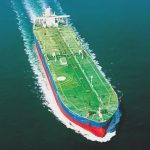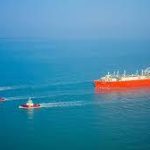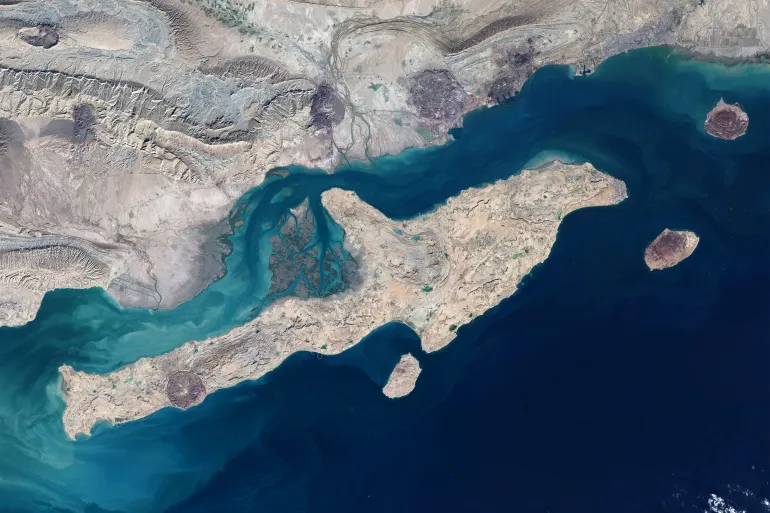
NEW DELHI: What began as a routine return voyage quickly turned into a tense and uncertain journey for the crew of an Indian-flagged vessel that recently made it back home after navigating the conflict-hit Strait of Hormuz.
A senior officer on board recalled that the ship had loaded cargo at Ras Laffan in Qatar on February 27 and was preparing to sail for India when the situation escalated dramatically. The next day, coordinated airstrikes by the United States and Israel on targets in Iran disrupted the region, forcing the crew to halt their journey.
“We had to anchor at a port in the UAE for safety,” the officer said. “Soon after, GPS signals began malfunctioning and several onboard instruments were affected, which increased our anxiety.” The crew closely followed advisories from the Directorate General of Shipping, Shipping Corporation of India, and the Indian Navy while monitoring developments in the region.
Beyond the risks of operating in a conflict zone, the crew faced another pressing concern: dwindling drinking water supplies. While food stocks were sufficient for over a month, potable water was limited.
“Cargo ships can produce only small amounts of freshwater when stationary, and older vessels generate even less,” the officer explained. “We had enough water to last another 7–10 days at best.”
This limitation arises because onboard freshwater generators rely on the ship’s main engine, which produces the heat and power needed for water generation—something that’s reduced when the vessel is not moving.
Maintaining morale during the uncertainty was another challenge. Crew members stayed connected through updates and leaned on small distractions—like following cricket World Cup matches—to ease the tension.
After nearly 10 days of waiting, the crew finally received clearance on March 13 to resume their journey. “We knew efforts were underway for safe passage, but the confirmation came suddenly,” the officer said. The vessel proceeded under the watch of the Indian Navy after crossing the Strait of Hormuz.
While there were reports suggesting coordination with Iranian naval forces during the transit, the officer said their ship remained in contact primarily with Indian authorities.
The successful return comes amid limited movement through the strait, with only a handful of vessels managing to pass safely in recent days—highlighting the risks faced by crews operating in one of the world’s most critical and volatile maritime corridors.