A new study published in the Journal of the American College of Cardiology has found that higher consumption of ultraprocessed foods may significantly increase the risk of heart disease over time—highlighting how everyday eating habits can quietly shape long-term health.
The research tracked over 6,800 adults in the United States as part of the Multi-Ethnic Study of Atherosclerosis (MESA). None of the participants had heart disease at the outset, but their dietary patterns revealed a clear trend as the years progressed.
Researchers found that for every additional daily serving of ultraprocessed food, the risk of atherosclerotic cardiovascular disease—conditions caused by clogged arteries—increased by about 5%. While the rise may seem modest per serving, the cumulative effect over time and across multiple servings a day was substantial. Participants who consumed the highest amounts of ultraprocessed food showed markedly higher risks compared to those who consumed the least.
What counts as ultraprocessed food?
Ultraprocessed foods, classified under the Nova system, are industrial formulations made with additives, preservatives, flavour enhancers, and ingredients rarely used in home cooking. Common examples include packaged chips, sugary drinks, instant noodles, processed meats, biscuits, cakes, breakfast cereals, and even certain types of packaged bread.
These foods are widely consumed because they are convenient, affordable, and designed to be appealing. However, they often displace whole, nutrient-rich foods from daily diets—an imbalance that researchers believe contributes to long-term health risks.
Why it matters
The findings add to growing global evidence linking ultraprocessed diets to chronic diseases. Importantly, the study emphasises that the risk is not driven by occasional indulgence but by consistent dietary patterns over time.
For many people, ultraprocessed foods are a daily staple due to busy lifestyles. But even small, repeated choices—like opting for packaged snacks or ready-to-eat meals—can accumulate into significant health impacts.
What should you eat instead?
Dr Gaurav Minocha, Senior Director of Cardiac Sciences at Max Super Speciality Hospital, Vaishali, recommends focusing on whole, nutrient-dense foods:
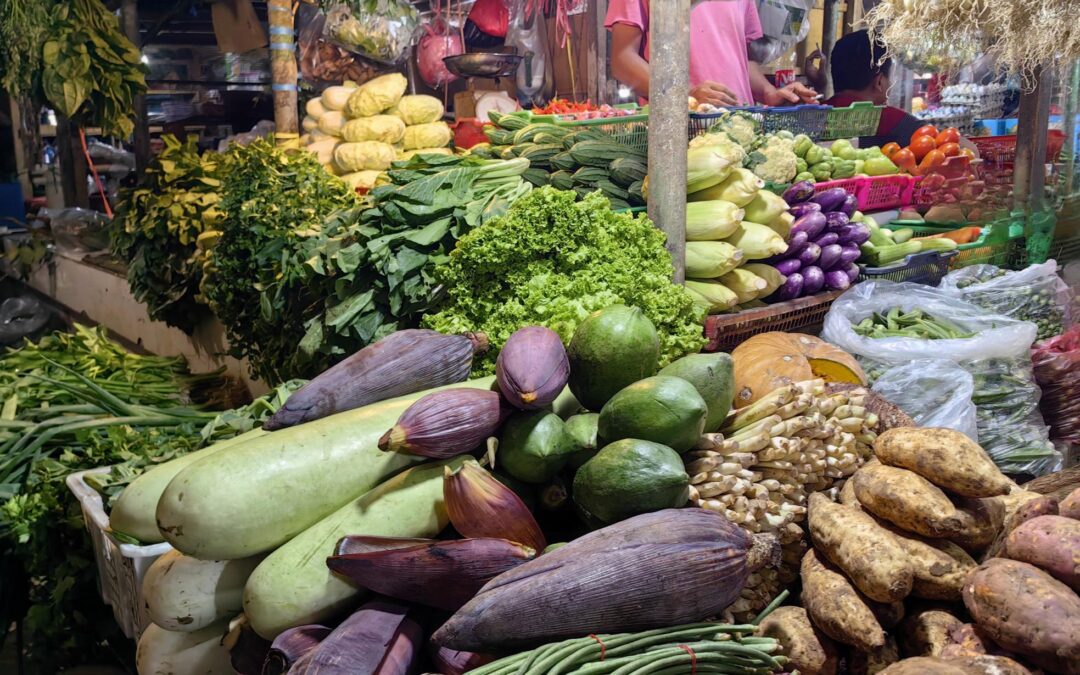
- Fruits and vegetables: Rich in antioxidants, fibre, and nutrients that reduce inflammation and improve circulation
- Whole grains: Oats, brown rice, and millets help lower LDL (bad) cholesterol
- Healthy fats: Nuts, seeds, olive oil, and fatty fish like salmon provide omega-3 fatty acids that support heart health
He also stresses that how you eat matters just as much as what you eat. Limiting salt intake is crucial for controlling blood pressure—especially in Indian diets that tend to be high in sodium. Monitoring calorie intake helps maintain a healthy weight, while avoiding added sugars and processed foods reduces the risk of insulin resistance.
Healthy habits such as eating at regular intervals, controlling portion sizes, and staying mindful during meals can further support digestion and overall wellness.
The bottom line
The study reinforces a simple but powerful message: long-term heart health is shaped by daily habits. Reducing reliance on ultraprocessed foods and gradually shifting toward whole, balanced meals can make a meaningful difference over time.