Across Indian metros and small towns alike, many parents are noticing a troubling shift. Children who once recovered quickly from the occasional cold are now battling fever, cough, stomach infections or fatigue almost every month. What is often labelled as “weak immunity” may in fact reflect a broader environmental strain — one driven by climate volatility and pollution.
With rising heatwaves, erratic monsoons and worsening winter smog, children — whose immune systems are still developing — are among the most vulnerable. In this changing environment, everyday preventive habits are no longer optional; they are essential.
Dr Bhaskar Shenoy, HOD and Consultant – Pediatrics and Pediatric Infectious Diseases at Manipal Hospital, Old Airport Road, Bengaluru, explains: “Children’s immune systems are still under development and function best in predictable conditions. Today’s environment is far from stable. Sudden weather shifts, pollution spikes and fluctuations in humidity keep their immunity working overtime.”
Climate stress is showing up in children’s illnesses
India has recorded extreme temperatures in recent years. During the summer of 2024, several northern and northwestern regions experienced temperatures crossing 45–50°C. Pediatric units reported a rise in dehydration, heat exhaustion, digestive disturbances and viral fevers among children.
Extreme heat also alters routines. Families spend longer hours indoors, often in enclosed or poorly ventilated spaces where infections spread more easily. Pediatric hospitals in cities such as Bengaluru and Pune have observed more persistent coughs and respiratory infections during prolonged heat spells.
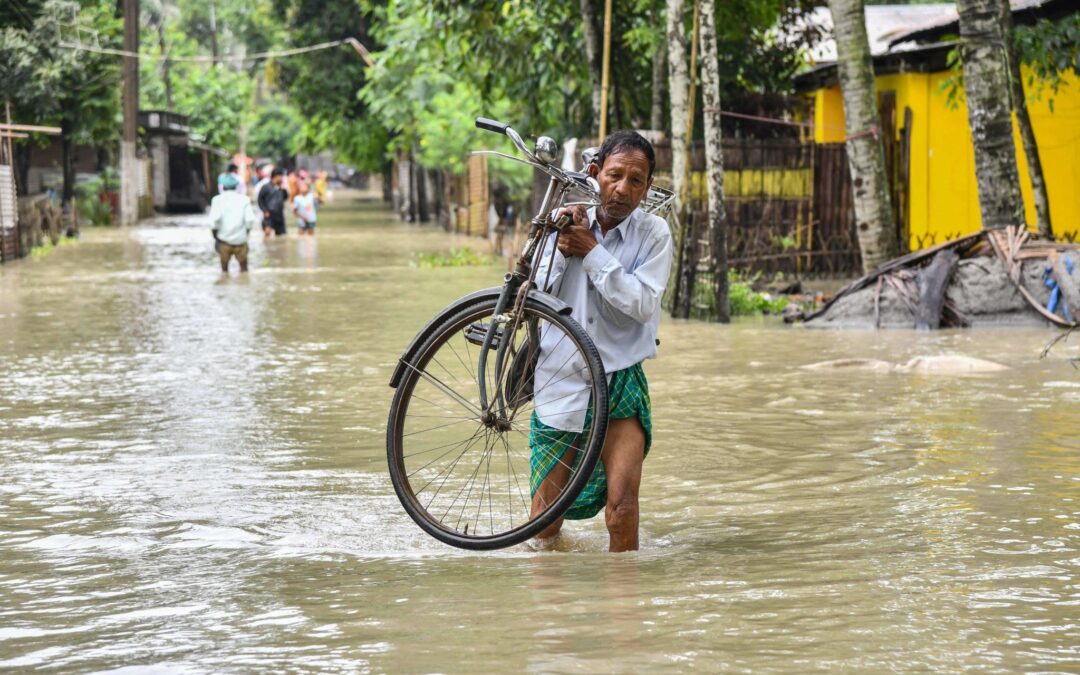
Monsoon flooding presents another risk. In states like Bihar, Assam and Himachal Pradesh, water contamination during recent floods led to spikes in diarrhoeal disease. Winter brings a different challenge: severe air pollution. During peak smog months, pediatricians report increased cases of wheezing, asthma flare-ups, throat infections and prolonged cough as polluted air inflames young airways and weakens respiratory defences.
Why children’s immunity is under strain
A child’s immune system matures gradually through early adolescence. It thrives in stable conditions. However, frequent temperature swings, unsafe water, polluted air, poor sleep and chronic environmental stress place sustained pressure on this developing system.
Research indicates that both extreme heat and air pollution can impair immune responses, reducing the body’s ability to fight infections effectively. Nutrition is another critical factor. Climate disruptions may limit access to fresh produce and nutritious food. Deficiencies in protein, iron, zinc and essential vitamins can weaken immune cells.
Repeated water-borne infections also disrupt gut health — a key pillar of immunity — leaving children susceptible even after visible symptoms resolve.
What parents can do: Practical, everyday protection
While climate patterns are beyond individual control, families can reduce health risks through consistent habits.
- Prioritise clean, balanced nutrition
Freshly cooked meals using seasonal vegetables, fruits, whole grains, lentils, curd and adequate protein strengthen immune defences. Limiting ultra-processed foods and sugary snacks reduces inflammation and supports gut health. Safe drinking water — boiled or properly filtered — is especially critical during monsoon months.
- Support recovery with simple home care
Traditional remedies can offer supportive relief when used appropriately. Warm fluids, turmeric milk, light soups, ginger, tulsi and adequate hydration help the body cope with frequent weather shifts. These measures complement — but do not replace — medical advice when illness occurs.
- Make hand hygiene non-negotiable
Hands are the most common carriers of germs. Regular handwashing before meals, after school, after play and upon returning home significantly lowers the risk of respiratory and gastrointestinal infections.
Dr Shenoy notes, “No matter the season, hands remain the primary vehicle for germ transmission. Proper handwashing can substantially reduce diarrhoeal and respiratory illnesses, making it one of the most effective preventive steps.”
- Maintain indoor hygiene
As families spend more time indoors during heatwaves, heavy rains or smoggy winters, household hygiene becomes even more important. Regular cleaning of frequently touched surfaces and maintaining clean bedding, towels and clothing can help limit the spread of infection.
- Protect lungs during poor air quality
During periods of severe air pollution or viral outbreaks, minimising exposure outdoors is advisable. If children must step out during poor air quality days, protective measures that reduce inhalation of fine particles and pollutants can help safeguard respiratory health.
The bigger picture
Frequent illness in children is not simply a matter of “low immunity.” It reflects a broader environmental reality. As climate patterns grow more unpredictable, children’s bodies are adapting to stresses they did not face a generation ago.
Parents cannot change the weather, but they can build resilience at home — through nutrition, hygiene, safe water, adequate rest and timely medical care. In a climate-challenged world, prevention is becoming the first and most powerful line of defence.