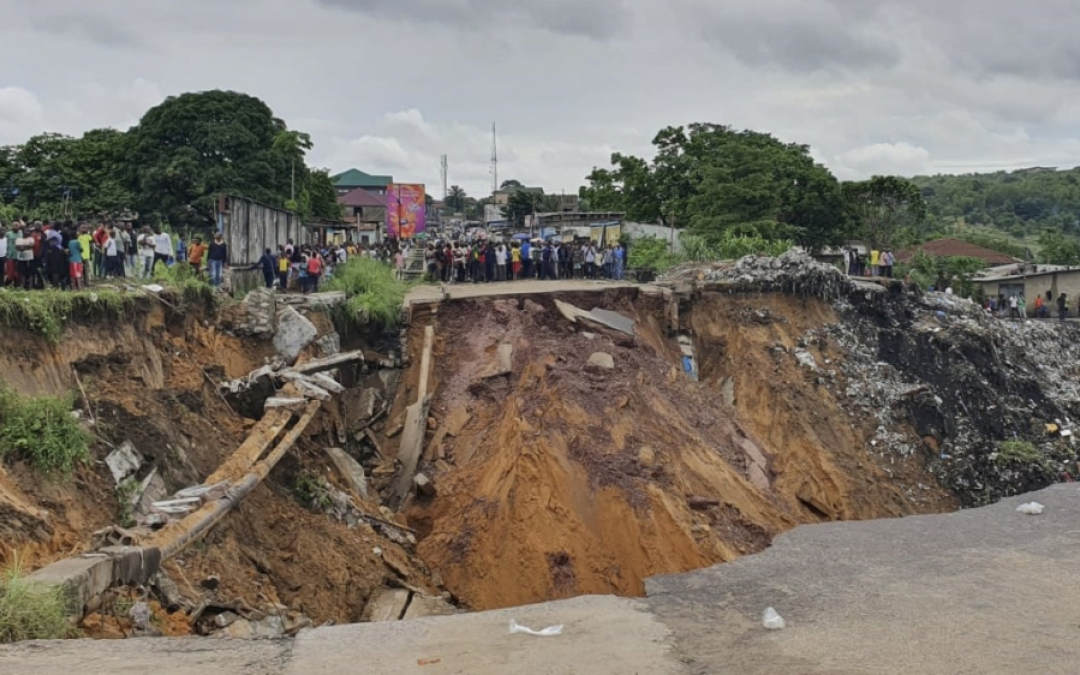
A landslide at a coltan mine in Rubaya, eastern Democratic Republic of Congo, has killed more than 200 people, local authorities said on Wednesday, in one of the deadliest mining disasters in the region in recent years.
The collapse struck a mine that supplies nearly 15 per cent of the world’s coltan, a key mineral processed into tantalum and widely used in mobile phones, computers, aerospace equipment, and gas turbines.
Lumumba Kambere Muyisa, spokesperson for the rebel-appointed provincial governor, said the exact death toll remains uncertain. “More than 200 people were victims of this landslide, including miners, children, and market women. Some were rescued in time and are seriously injured,” he told Reuters. He added that around 20 injured people are currently receiving treatment at nearby health facilities.
Officials attributed the disaster to seasonal weather conditions. “We are in the rainy season. The ground is fragile. It gave way while the victims were inside the pit,” Muyisa said.
An adviser to the governor later confirmed that at least 227 deaths had been recorded, though rescue teams fear the toll may rise further.
The Rubaya mine has been under the control of the AFC/M23 rebel group since 2024. According to the United Nations, the group has exploited the region’s mineral resources to finance its insurgency, allegedly with backing from neighboring Rwanda—a claim that Kigali has repeatedly denied.
The heavily armed rebels say their objective is to overthrow the government in Kinshasa and to protect the Congolese Tutsi minority. They expanded their control over mineral-rich areas in eastern Congo during a rapid offensive last year.
Rescue operations are ongoing, as authorities and humanitarian agencies work to assist survivors and assess the full scale of the tragedy.