Indian American constitutional scholar Saikrishna Prakash has said that recent US immigration restrictions stem more from President Donald Trump’s broader hostility towards immigration than from any specific bias against India, warning that the growing dominance of executive power has made it harder for Congress to act as a meaningful check.
Prakash, a senior fellow at the Miller Center and James Monroe Distinguished Professor of Law at the University of Virginia, made the remarks in an exclusive interview with New India Abroad on the sidelines of the Kerala Literature Festival in Kozhikode.
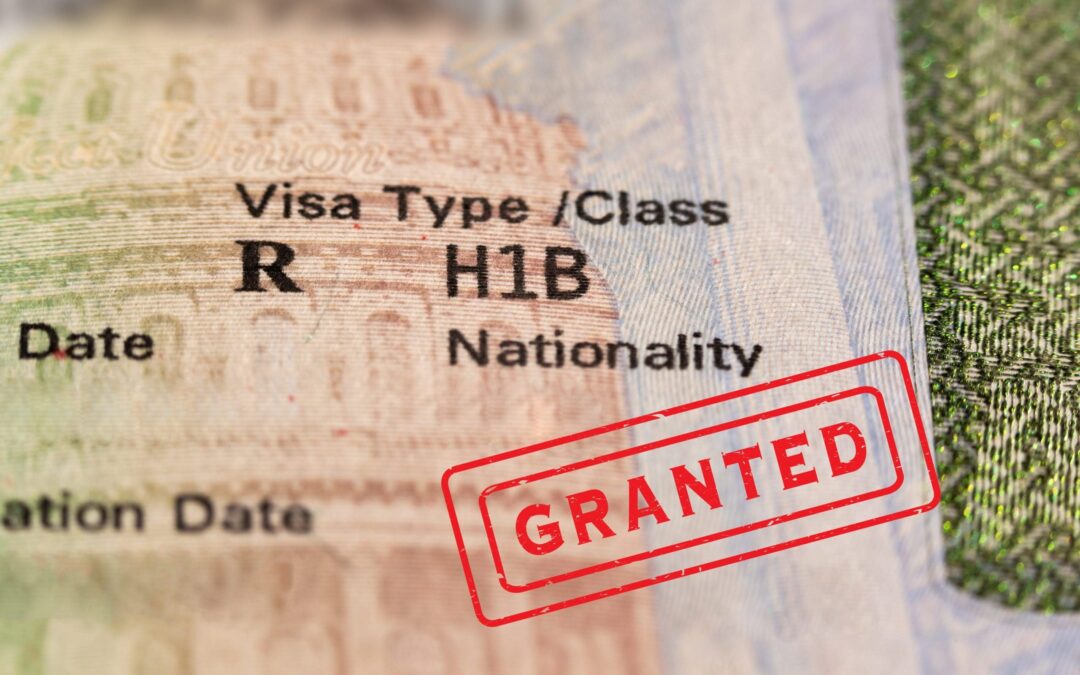
Speaking about employment-based visas, including the H-1B programme, he said the disproportionate impact on Indians reflected the fact that India benefits most from the system. “It’s not really about India per se. It’s about his distaste for immigration,” he said, adding that any tightening of rules would therefore be felt more sharply by Indian applicants.
The discussion also touched on Prakash’s new book, The Presidential Pardon: The Short Clause with a Long Troubled History, which examines one of the least constrained powers in the US Constitution. He noted that the pardon clause is only about 20 words long, yet gives presidents wide latitude to forgive crimes or reduce sentences, allowing them to exercise “rather sweeping” influence over the criminal justice process.
Prakash said attitudes towards presidential pardons were once less polarised but have become increasingly partisan as party loyalties hardened. Decisions that once provoked outrage, he argued, now often draw automatic support or opposition depending on who issues them.
On the broader question of executive authority, Prakash said US presidents have steadily expanded their power at the expense of Congress, especially through delegated authority in areas such as immigration. A divided Congress, he said, often ends up sidelined while presidents act decisively as party leaders.
For Indian professionals living in the US, he cautioned that constitutional law offers limited protection against abrupt policy shifts. While courts can intervene when laws are violated, much of immigration policy remains within executive discretion, leaving migrants exposed to changing political priorities.