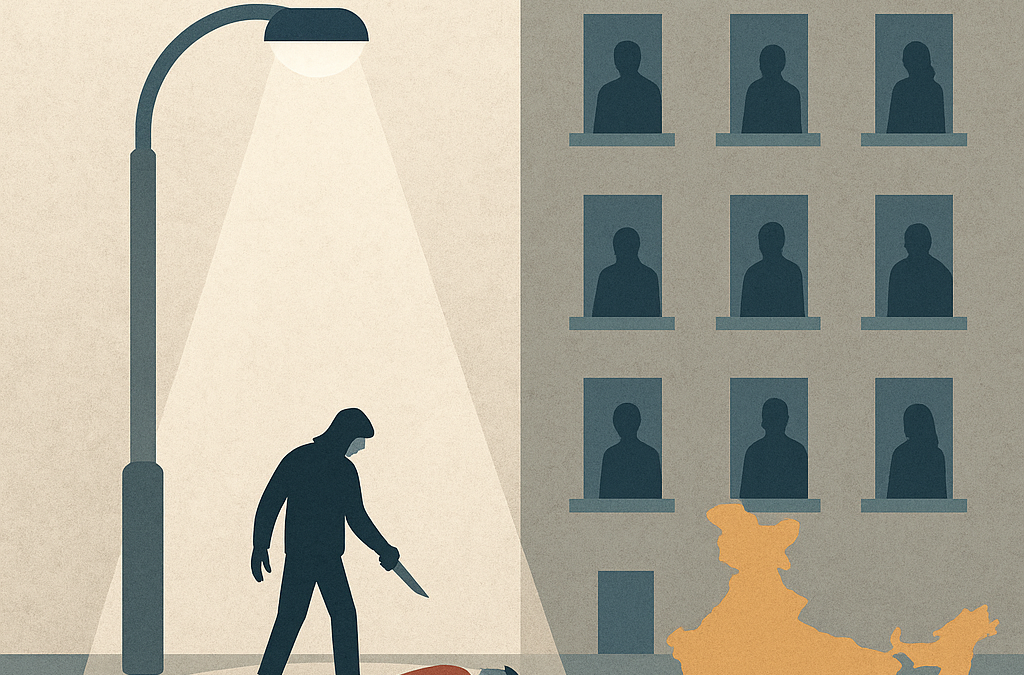
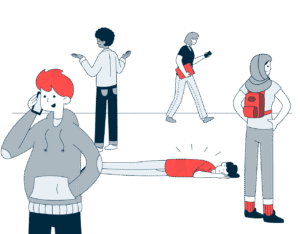
Imagine walking down a busy street and seeing someone collapse. You pause. Others pause too. Seconds pass. No one moves. This uncomfortable pause captures the heart of the bystander effect—a psychological phenomenon where people are less likely to help someone in need when others are present.
In simple terms, the bystander effect isn’t about cruelty or lack of compassion. It’s about hesitation. It’s about the quiet inner dialogue that says, “Someone else will handle it,” or “What if I’m wrong?” What’s important to understand is this: the bystander effect happens to normal, kind, well-meaning people. It happens to students, professionals, friends, and strangers alike. Most people don’t ignore others because they don’t care; they hesitate because they’re human.
The Famous Case That Changed Psychology Forever
The world first paid serious attention to the bystander effect in 1964, after the murder of Kitty Genovese in New York City. Reports claimed that dozens of people witnessed or heard parts of the attack, yet no one intervened or called the police in time. The story shocked the public. How could so many people see something terrible and do nothing? While later investigations revealed that some details were exaggerated, the case still raised a haunting question: Why didn’t more people help?
Psychologists John Darley and Bibb Latané were compelled to find answers. Their research revealed that the presence of others often reduces the likelihood of intervention. The more witnesses there are, the less responsible each person feels. This single case didn’t just change psychology—it changed how we understand human behavior in groups. It showed that silence doesn’t always mean indifference. Sometimes, it means uncertainty multiplied by numbers.
The Psychology Behind Standing Still
Why do people freeze instead of act? The reasons are subtle but powerful:
- Diffusion of responsibility
When many people are present, responsibility gets spread thin. Everyone assumes someone else will step in. - Fear of embarrassment
People worry about misreading the situation. What if it’s not serious? What if I overreact and look foolish? - Following the crowd
Humans take cues from others. If no one else is reacting, we assume doing nothing is the “correct” response. - Not wanting to be “that person”
Standing out can feel risky. Many people fear being judged, mocked, or criticized for speaking up.
Together, these forces quietly encourage inaction—even when our instincts tell us something isn’t right.
The Bystander Effect in Everyday Life
The bystander effect isn’t limited to extreme emergencies. It shows up in everyday moments often when it matters most.
- You see someone being harassed on public transport but stare at your phone instead.
- You scroll past cruel comments or online bullying, telling yourself it’s “not your problem.”
- Someone in a group is constantly excluded or mocked, and no one says anything.
- A friend or classmate is clearly struggling, but you assume others are checking on them.
These moments may seem small, but they accumulate. Silence, over time, can feel just as loud as cruelty to the person on the receiving end. This is where the bystander effect becomes deeply personal not a theory, but a daily choice.
The World’s Biggest Crowd
Social media, the World’s Biggest Crowd has created the largest audience humanity has ever known and with it, the strongest bystander effect.
Online, people watch instead of help because the crowd feels endless. With thousands of viewers, it’s easy to think your voice doesn’t matter. Comment sections have become modern bystander spaces, where harm happens publicly and responsibility feels invisible. There’s also a difference between “liking” something and “supporting” someone. A heart emoji doesn’t stop harassment. Silence in the face of hate can unintentionally support it.
The digital world may feel distant, but the emotional impact is real and so is the power to intervene.
Breaking the Cycle
The most powerful truth about the bystander effect is this: it only takes one person to break it. When one person speaks up, others often follow. Courage is contagious. A single voice can shift the atmosphere, turning a silent crowd into an active one.
Small actions matter because they interrupt harm in simple but powerful ways. Reporting harmful behavior such as informing HR when a colleague is being bullied, can stop ongoing abuse. Checking in privately, like messaging a friend who seems withdrawn, may give them the courage to open up. Saying “That’s not okay” when someone makes an offensive joke at work can immediately change the tone of the conversation. Offering help instead of assuming it’s coming such as calling emergency services when someone collapses in public, can save precious time. These small choices show care, set boundaries, and often inspire others to act too.
You don’t have to be loud or confrontational. You just have to be present. Often, people are waiting for permission to act and your action gives it to them.
From Bystander to Upstander
Becoming an upstander doesn’t mean putting yourself in danger or acting like a hero. It means choosing empathy over comfort, even in environments where silence feels easier. For seafarers especially, working in close quarters, under pressure, and far from shore—the bystander effect can quietly take root. When people live and work together for long periods, it’s easy to ignore uncomfortable situations to “keep the peace.” But real safety and teamwork depend on speaking up.
One of the most important steps is recognizing when something isn’t right. Whether it’s harassment, unsafe practices, bullying, or a colleague clearly struggling mentally or emotionally, awareness is the first responsibility. Acting doesn’t always mean confrontation. It can be as simple as checking in privately, asking if someone is okay, or offering support.
Another powerful step is sharing responsibility. Onboard a vessel, safety is collective. Reporting concerns to a senior officer, safety representative, or using established reporting channels is not betrayal—it’s professionalism. When responsibility is clearly directed, action is more likely to happen.
Safe intervention is key. If stepping in directly feels risky, involve others, document concerns, or seek guidance from leadership. Small actions like interrupting harmful behavior, refusing to participate in mocking or exclusion, or standing beside someone who is being targeted, can change the atmosphere.
Being an upstander at sea builds trust, strengthens crew morale, and reinforces a culture where everyone looks out for one another. In isolated environments, one voice of empathy can make all the difference.
What Would You Do If Everyone Else Stayed Silent?
The bystander effect asks us an uncomfortable question—not about others, but about ourselves. If everyone else stayed silent, would you speak up? If no one moved, would you take a step? These moments test our values more than our intentions. It’s easy to believe we would act until we are actually standing there, unsure, afraid of being wrong, or worried about the consequences.
Change doesn’t begin with crowds. It begins with individuals willing to act despite uncertainty and discomfort. Speaking up may feel small, but for the person experiencing harm, it can feel life-changing. It can mean safety, dignity, or simply being seen.
The next time you witness harm, remember: your voice might be the one someone is waiting for. Even a single action—asking a question, offering support, or refusing to stay silent can shift the moment. And sometimes, one voice is enough to remind everyone else of their own.