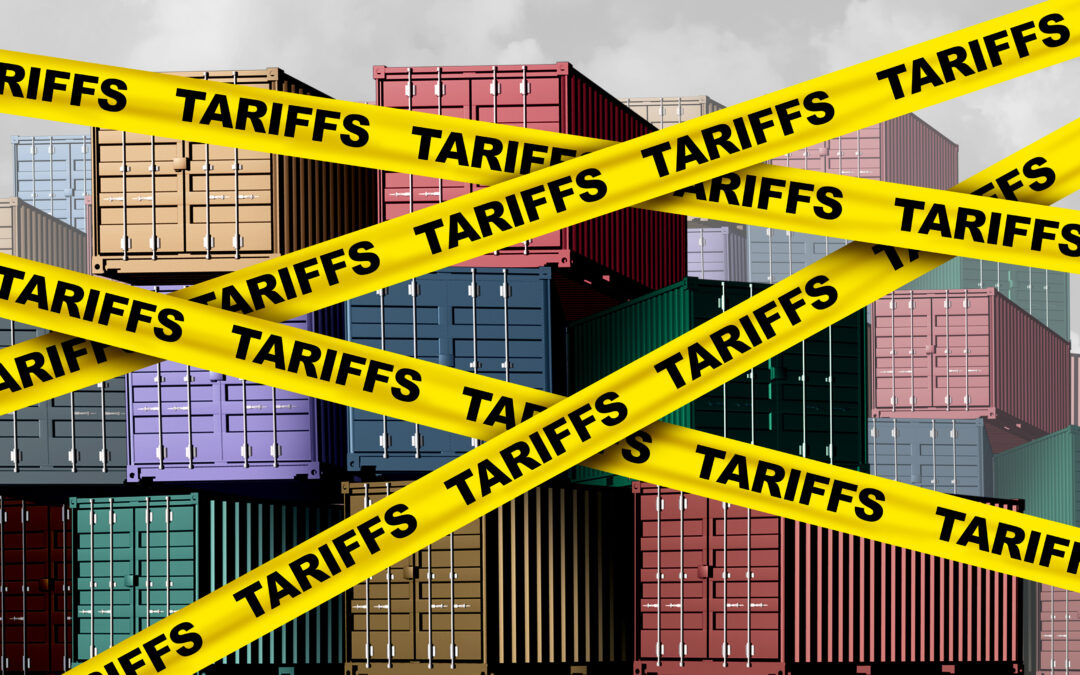
In a fresh escalation of trade pressure, US President Donald Trump has announced a 25% tariff on any country that continues doing business with Iran. The move is widely seen as an attempt to tighten the noose around Tehran amid reports that nationwide protests have left nearly 600 people dead.
Trump has repeatedly warned that his administration could consider military action if it concludes that the Iranian government is using excessive force against protesters. He said Iran is “beginning to cross” a dangerous threshold, prompting his national security team to explore what he described as “very strong options.”
The tariff decision was announced in a social media post on Monday and is to take effect immediately. Major economies including China, Brazil, Turkey, Russia and India maintain trade links with Iran.
“Effective immediately, any Country doing business with the Islamic Republic of Iran will pay a Tariff of 25% on any and all business being done with the United States of America. This Order is final and conclusive,” Trump posted on Truth Social.
What does this mean for India?
India already faces 50% tariffs on its exports to the US. Of this, 25% is classified as ‘reciprocal’ tariffs, while the remaining 25% is a penal duty linked to India’s crude oil imports from Russia. A fresh 25% tariff linked to trade with Iran could further complicate India’s trade position with Washington.
India and Iran share a longstanding trade relationship, with India frequently ranking among Iran’s top five trading partners, according to the Ministry of External Affairs. India exports a wide range of products to Iran, including basmati rice, tea, sugar, pharmaceuticals, man-made fibres, electrical equipment and imitation jewellery. In return, it imports dry fruits, organic and inorganic chemicals, and glassware.
Iran is particularly important for Indian basmati rice exporters. Reports suggest Iran buys close to 12 lakh tonnes of basmati annually, with the trade valued at around ₹12,000 crore. Despite this, Iran does not figure among India’s top five overall trading partners. India’s largest export destinations are the US, UAE, Netherlands, China and the UK, which together account for about 41% of total exports, according to the Ministry of Commerce dashboard.
Strategic concerns: Chabahar port
Beyond trade, Iran is strategically significant for India due to the Chabahar port project. The port is central to India’s access to Afghanistan and Central Asia, allowing it to bypass Pakistan. Although the US extended a sanctions waiver for Chabahar for six months until April this year, the exemption had earlier been withdrawn in September 2025 when the State Department cancelled the waiver first granted in 2018.
If the waiver lapses again, companies involved in operating Chabahar or related activities could face penalties under the Iran Freedom and Counter-Proliferation Act. This would complicate India’s regional connectivity plans at a time when its engagement with the Taliban administration in Kabul has been gradually increasing.
Overall, Trump’s tariff threat adds a new layer of economic and strategic uncertainty for India, forcing New Delhi to carefully balance its ties with Washington, Tehran and its broader regional interests.