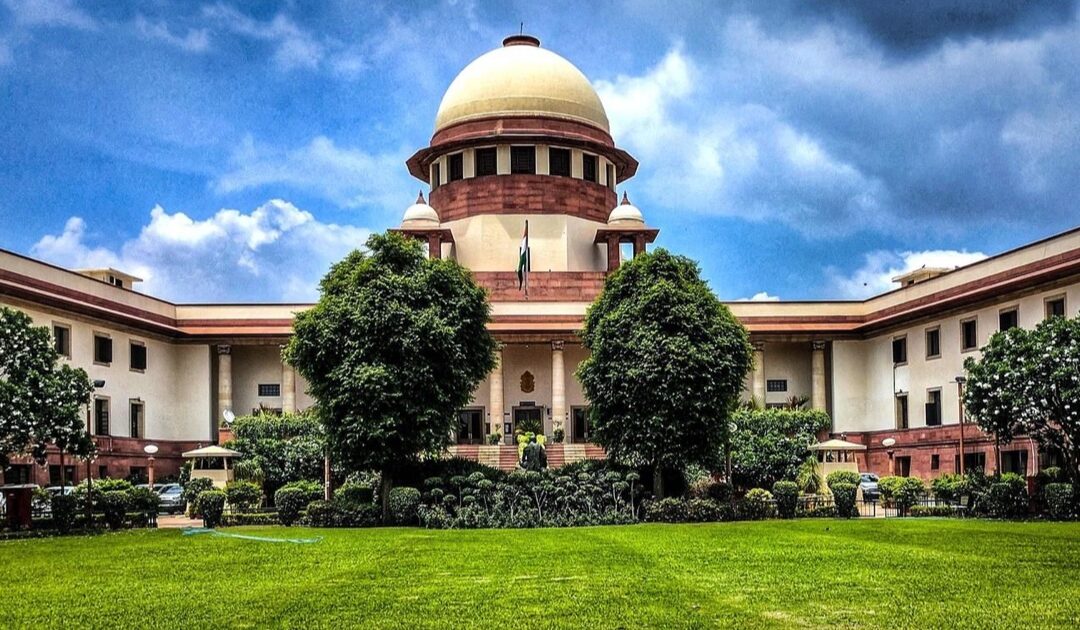
NEW DELHI: Under Chief Justice of India Surya Kant, the Supreme Court has introduced a new system to prioritise cases filed by socially, physically and financially disadvantaged litigants.
Four categories have been created to fast-track matters filed by persons with disabilities and acid attack survivors, senior citizens above 80 years of age, individuals living below the poverty line, and litigants approaching the court through legal aid services that provide free legal assistance. The move was aimed at ensuring that such cases are not lost among the nearly 800 matters listed on Mondays and Fridays, when 16 benches take up fresh petitions.
In a circular, the Supreme Court registry directed lawyers, parties-in-person and other stakeholders to clearly specify the relevant category while filing fresh petitions and to submit supporting documents issued by competent government authorities. Similar details have also been sought in pending cases to enable the registry to update records and prioritise listings accordingly.
The Supreme Court’s workload in 2025 was unprecedented. A total of 75,280 cases were filed — 51,357 civil and 23,923 criminal — of which 65,403 cases, or 87%, were disposed of. This included 42,793 civil and 22,610 criminal matters.
The scale of work far exceeds that of other apex courts globally. While thousands of petitions are filed annually before the US Supreme Court, it typically hears only 70–80 cases. The UK Supreme Court received just over 200 cases in 2025 and delivered judgments in around 50. By contrast, the Indian Supreme Court delivered about 1,400 detailed judgments and passed thousands of orders.
The apex court saw three Chief Justices in 2025 — Justices Sanjiv Khanna, BR Gavai and Surya Kant. No change at the helm is expected until February 2027, when Justice Kant retires. That year is set to be historic, with the Supreme Court likely to have four Chief Justices in succession: Justices Surya Kant, Vikram Nath, BV Nagarathna and PS Narasimha.