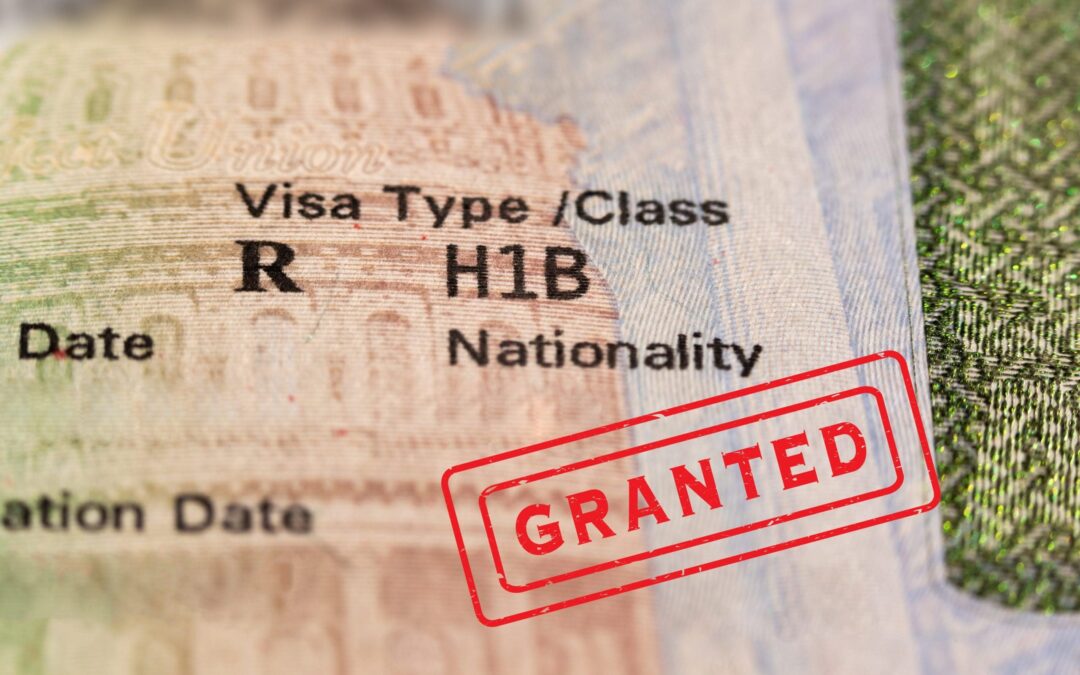
H-1B visa holders grappling with abrupt appointment cancellations have few legal remedies, immigration attorneys say, as rescheduled interview dates are being pushed as far out as late 2026—disrupting jobs, travel plans and family commitments.
According to The American Bazaar, mass cancellations and sudden rescheduling of H-1B visa stamping slots have shifted interviews from early 2026 to as late as October 2026. The uncertainty has triggered anxiety among immigrant professionals, particularly those whose visas have expired and who must travel abroad for stamping before returning to work in the US.
Lawyers caution that the scope for challenging these delays through courts is extremely limited. Sangeetha Mugunthan of Somireddy Law Group PLLC told the publication that affected applicants should focus on practical alternatives. “With limited legal action available right now, the better option is to request remote work or leave from employers, if possible,” she said.
The scale of the disruption became evident after a wave of cancellations starting in mid-December 2025 and continuing into early 2026. Many applicants initially assumed the changes were temporary, but fresh notifications pushed appointments back by another six to nine months, eroding those hopes.
Many workers report receiving postponement emails after purchasing flight tickets and arranging leave, only to incur cancellation fees. Those already in India when the notices arrived have been hit hardest, as they remain unable to return to their US jobs on schedule. As a result, several have approached employers and HR departments seeking temporary remote arrangements or unpaid leave.
One H-1B professional, Ram Raghu, wrote online that “only an NRI can understand the pain of living with visa complications.” On social platforms such as Reddit, community members are sharing coping strategies, including booking refundable tickets and travelling only days before interviews to minimise losses if dates change again.
The latest disruption follows earlier visa challenges this year, including delays in F-1 student visas and proposals for sharply higher fees that unsettled the H-1B community. The developments are unfolding amid a broader tightening of immigration policies under the Trump administration, with Indian professionals—who form a significant share of the US skilled workforce—among those most affected.